AXIOMNOS
World history chronological timeline
The entire history of the world, on a single line.
Timeline guide (FR) → World chronology (FR) → Editorial method (FR) →
Global Timeline
The entirety of mapped history.

The K-T Extinction
Mass extinction marking the end of non-avian dinosaurs.

Würm Glaciation
Last major glacial period in Europe.
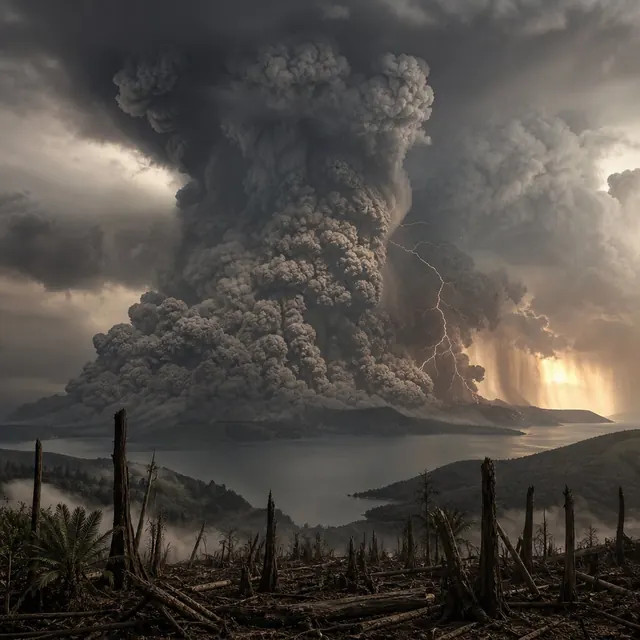
Toba Eruption
Supervolcanic eruption causing a human population bottleneck.
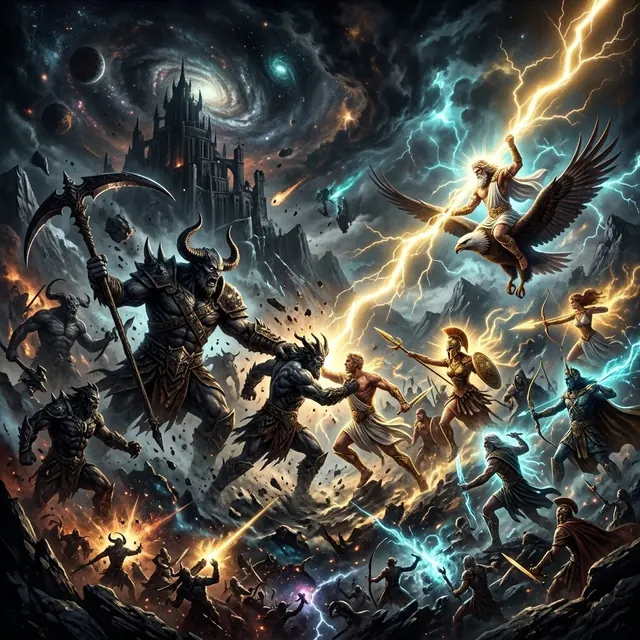
The Titanomachy
Primordial war between the Titans and the Olympians.
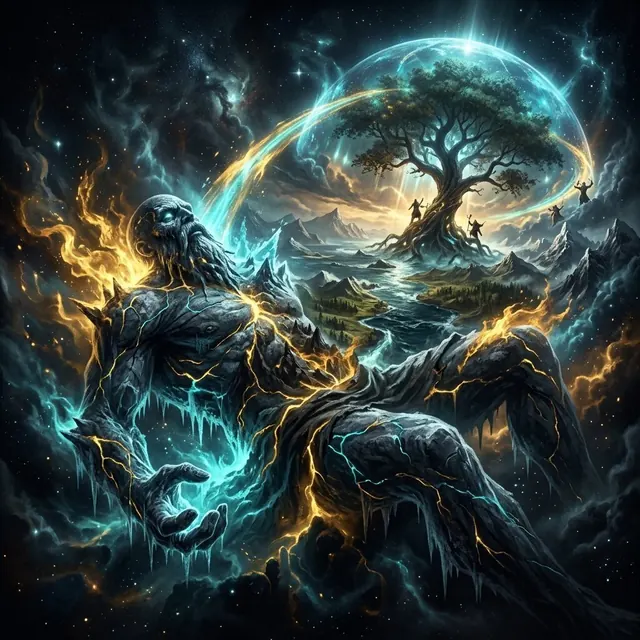
Creation of the world from Ymir
The world forged from the body of the giant Ymir by Odin, Vili and Vé.
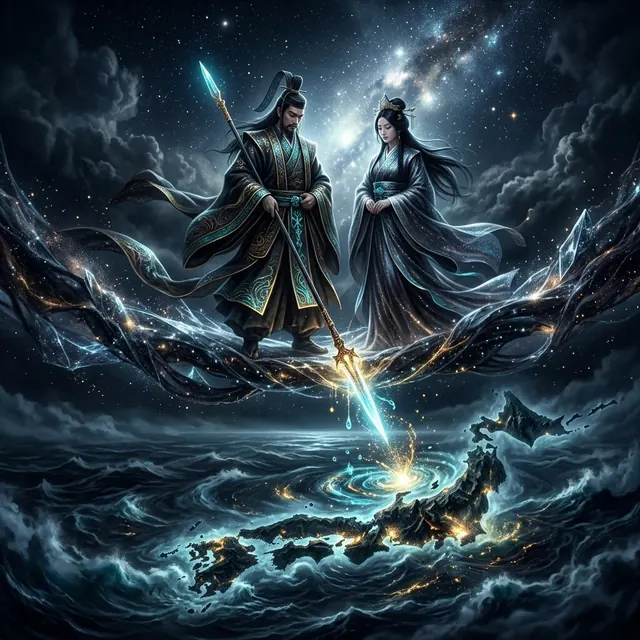
Creation of Japan (Izanagi and Izanami)
Birth of the Japanese islands and the kami.
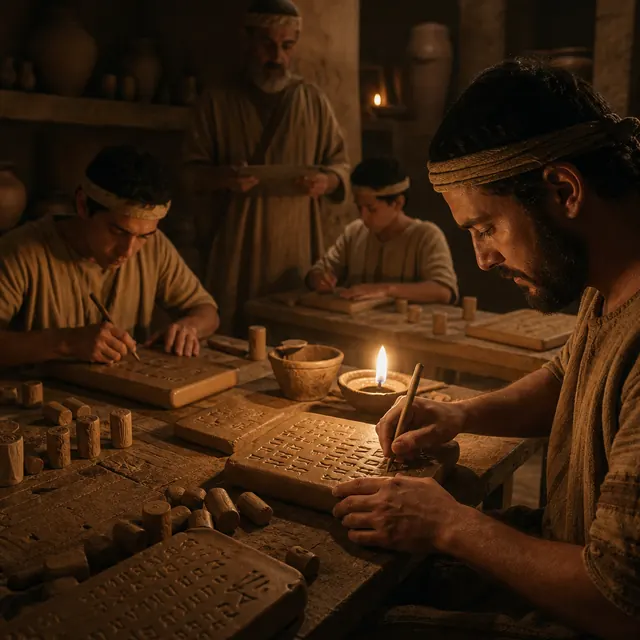
Invention of Pictographic and Cuneiform Writing at Uruk
Creation of humanity's earliest written signs on clay tablets at Uruk, initiating recorded history.
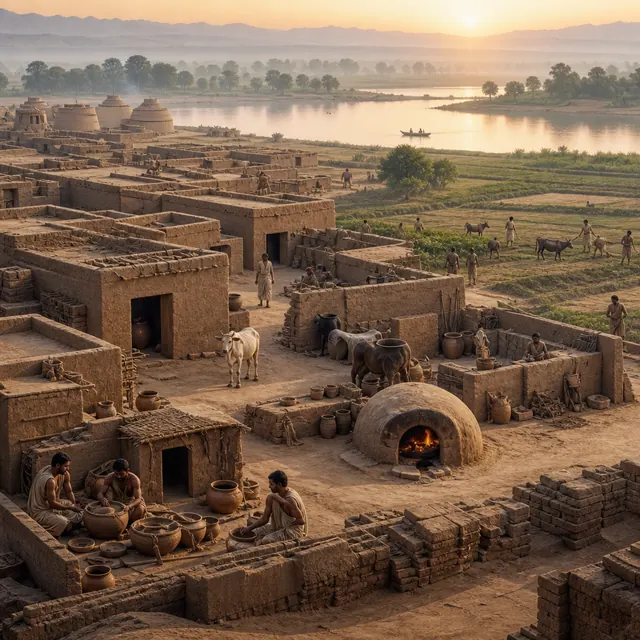
Rise of the Indus Valley Civilization at Mehrgarh
Earliest agropastoral urbanization in South Asia and development of early copper metallurgy.
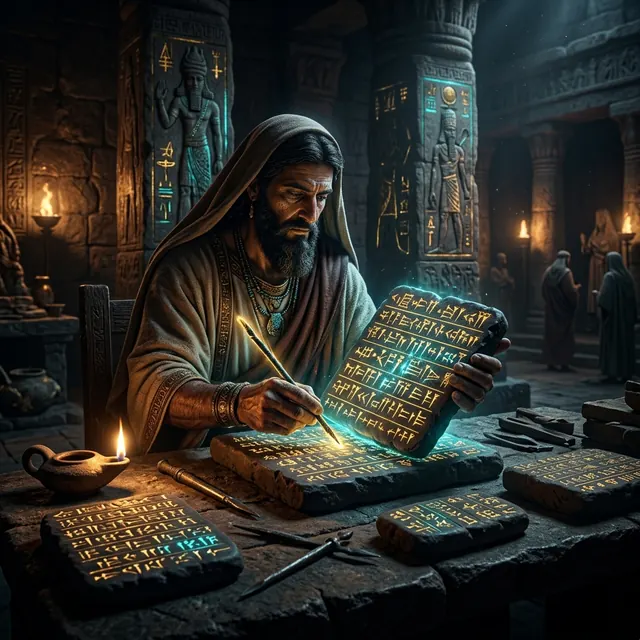
Invention of Cuneiform
Sumerians develop the first known writing system.
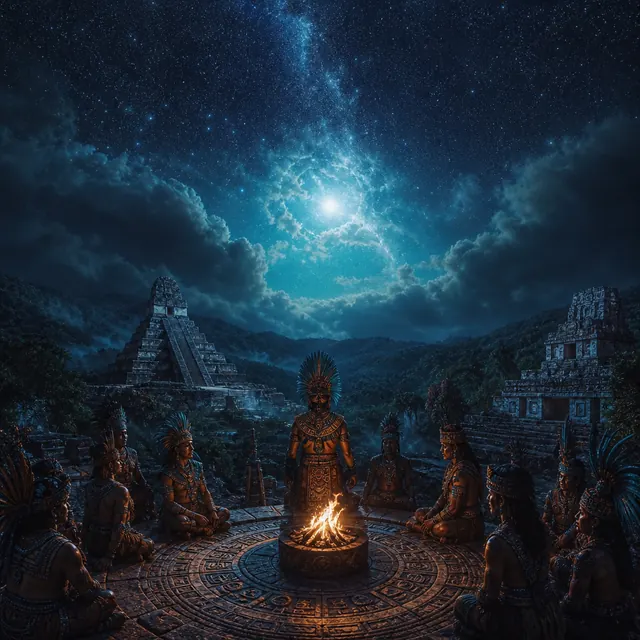
Creation of the World (Maya Long Count Zero Date)
Mythic start of the current Maya calendar era (13.0.0.0.0 4 Ahau 8 Cumku).
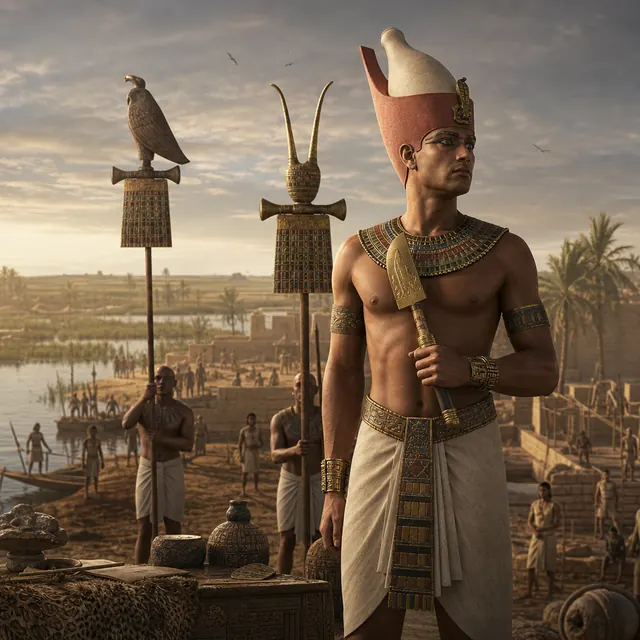
Unification of Upper and Lower Egypt by Narmer
King Narmer unites the two realms, founds the First Pharaonic Dynasty, and establishes Memphis as capital.
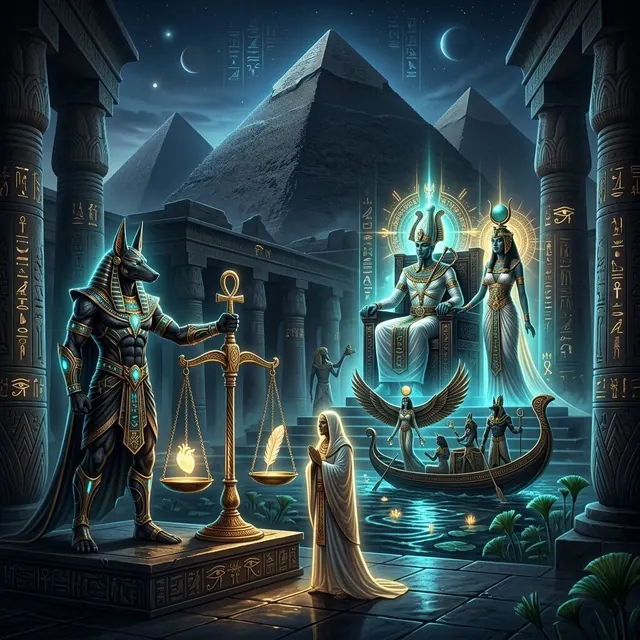
The Myth of Osiris
Death and resurrection of Osiris, founder of the Egyptian afterlife.
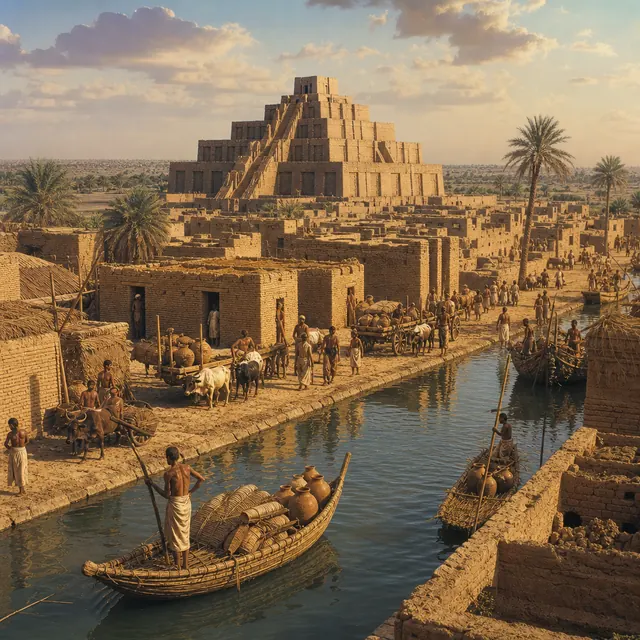
Rise of Sumerian City-States (Ur, Lagash, Kish)
Monumental urban centers, royal dynasties, and expansion of bronze metallurgy across Sumer.
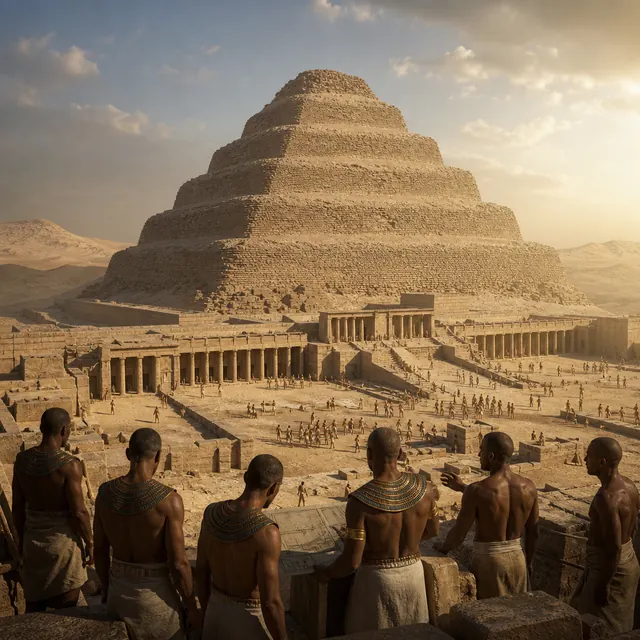
Djoser's Step Pyramid at Saqqara (Imhotep)
Architect Imhotep designs humanity's first monumental stone structure for Pharaoh Djoser.
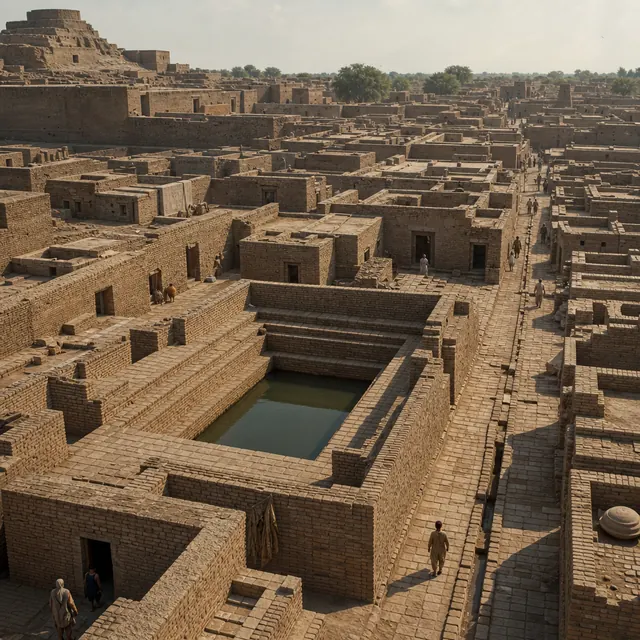
Metropolitan Peak and Urban Planning of Mohenjo-Daro and Harappa
Construction of standardized brick citadels and antiquity's premier covered drainage network.
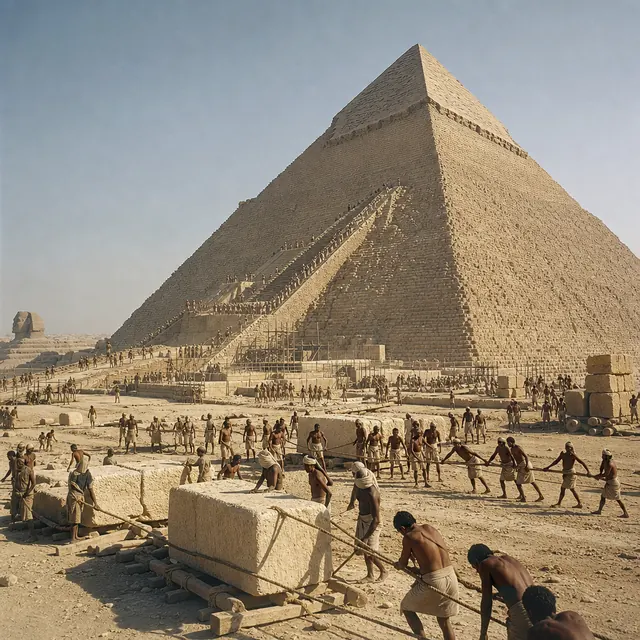
Erection of the Great Pyramid of Khufu at Giza
Peak of the Old Kingdom with the construction of the ancient world's tallest man-made structure.
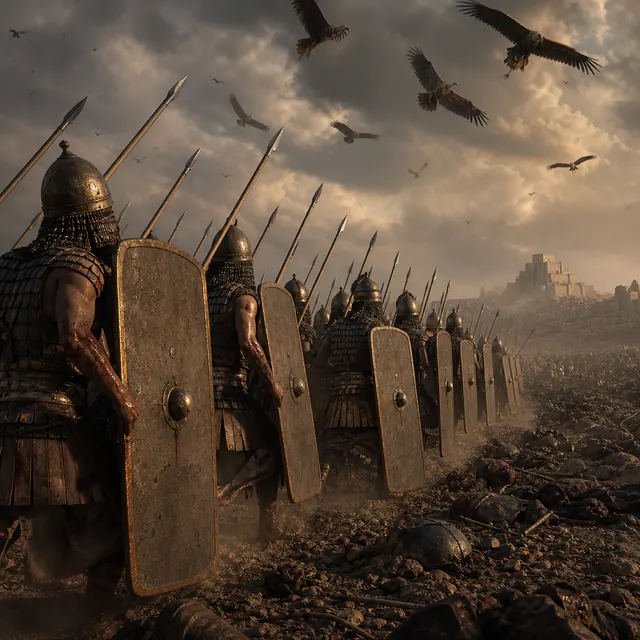
Battle of Gu-Edin and Stele of the Vultures (Lagash)
Victory of King Eannatum of Lagash over Umma, carved on the oldest known military monument.
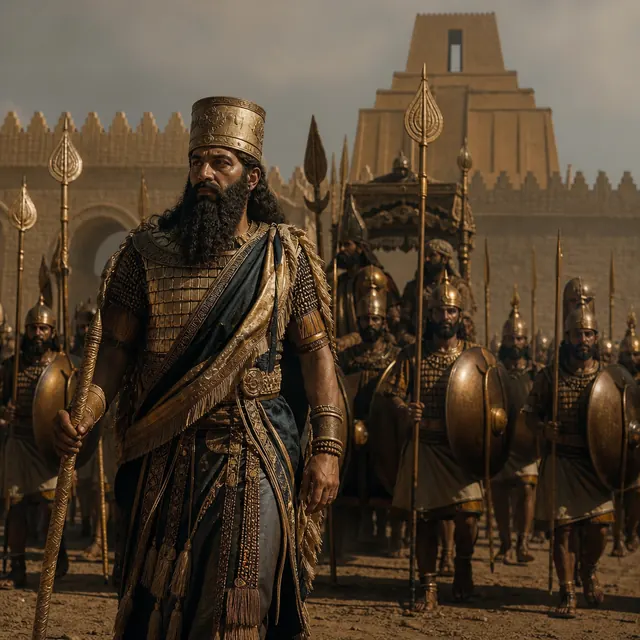
Founding of the First Empire in History by Sargon of Akkad
Sargon unifies all of Mesopotamia under single imperial rule and promotes the Akkadian language.
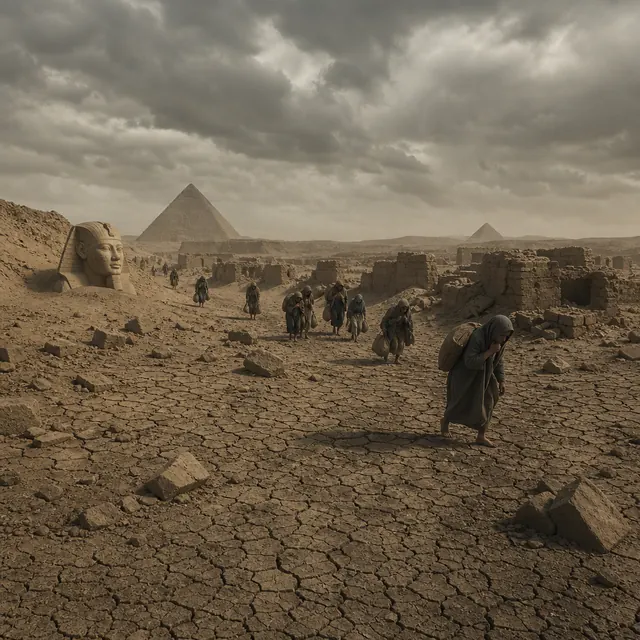
Collapse of the Old Kingdom and First Intermediate Period
Catastrophic droughts and weakened royal authority lead to the political fragmentation of Egypt.
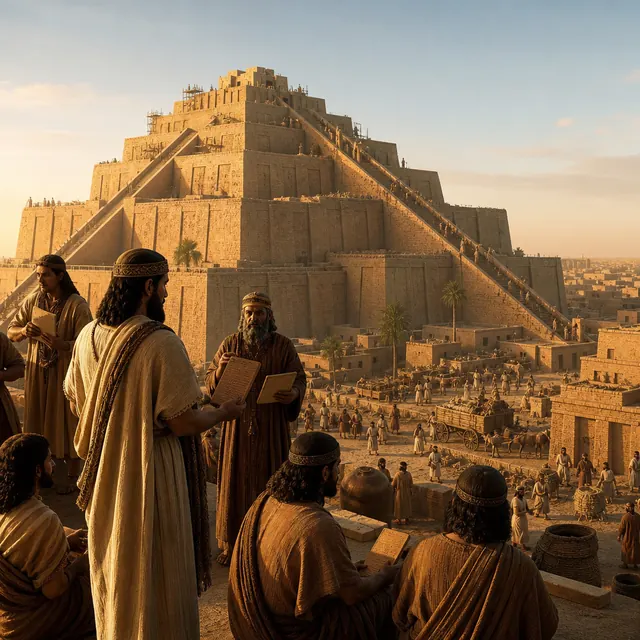
Sumerian Renaissance and Law Code of Ur-Nammu
Ur-Nammu establishes the Third Dynasty of Ur, issues the first law code, and erects the Great Ziggurat.
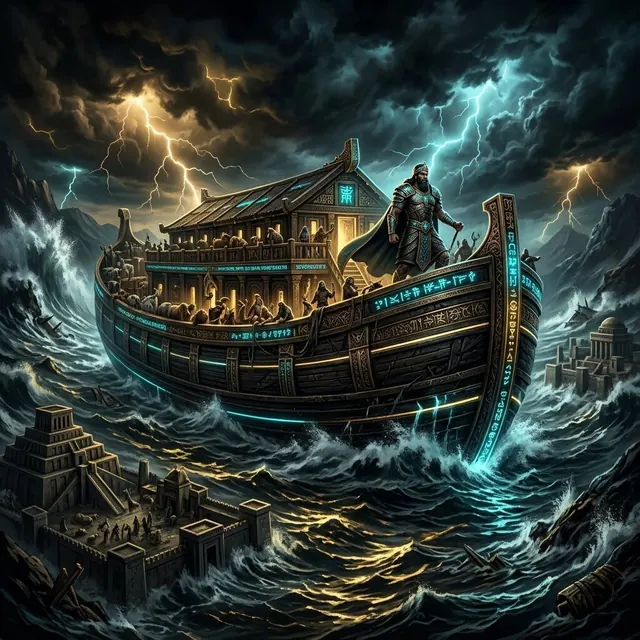
Epic of Gilgamesh and the Flood
Babylonian account of the great flood.
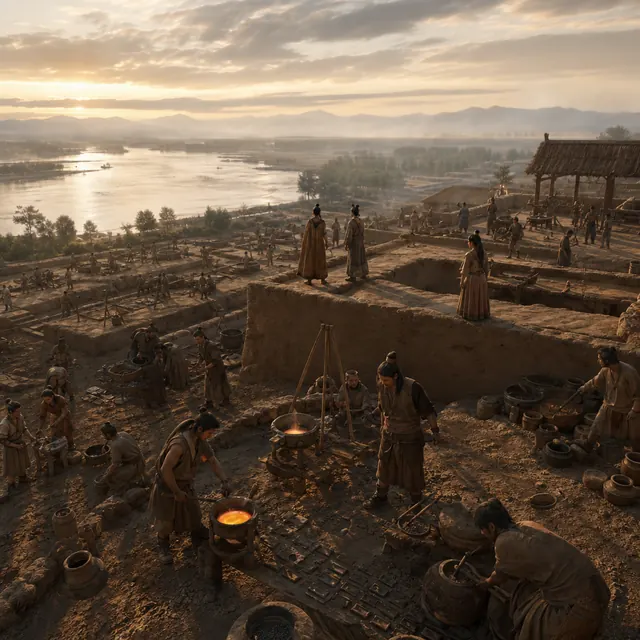
Erlitou Culture and Rise of the Xia Dynasty
First urban bronze-using state in the Yellow River Valley, linked to the early Xia Dynasty.
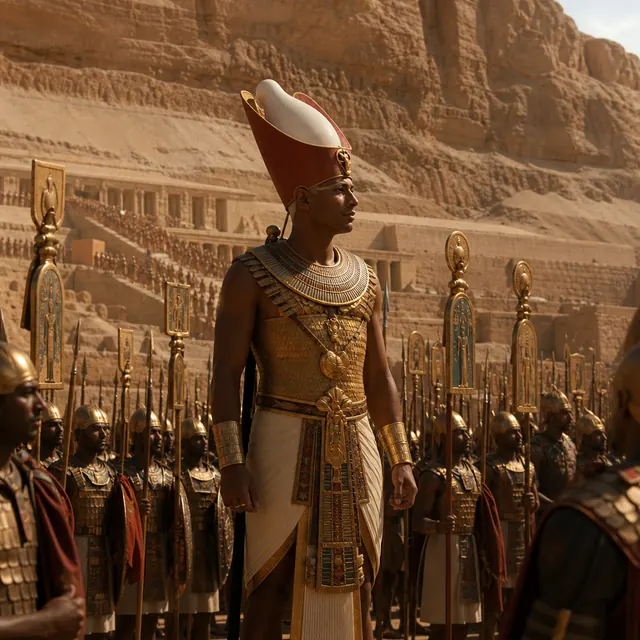
Reunification of Egypt by Mentuhotep II (Middle Kingdom)
Theban King Mentuhotep II defeats Herakleopolis, reunifies the realm, and opens the Middle Kingdom classical era.
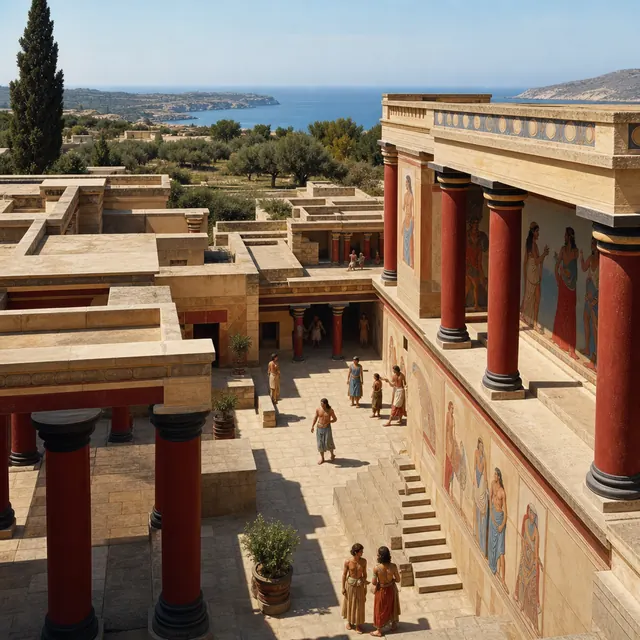
Rise of Minoan Civilization and Knossos Palace Complex
Europe's earliest urban palace culture, Cretan thalassocracy, and undeciphered Linear A script.
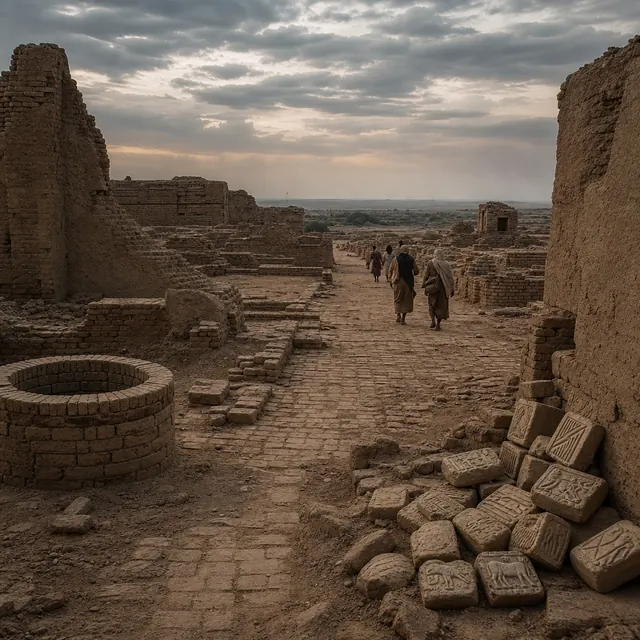
Steatite Seal Tradition and Late Harappan Decline
Eastward dispersion of Harappan urban centers and fading use of undeciphered Indus script seals.
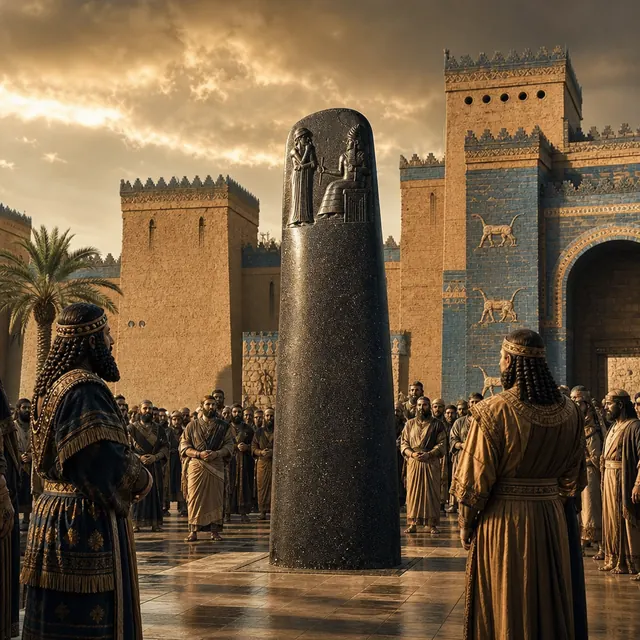
Hammurabi's Unification and Stele of the Code of Babylon
Hammurabi makes Babylon the imperial capital and engraves his famous basalt law code stele.
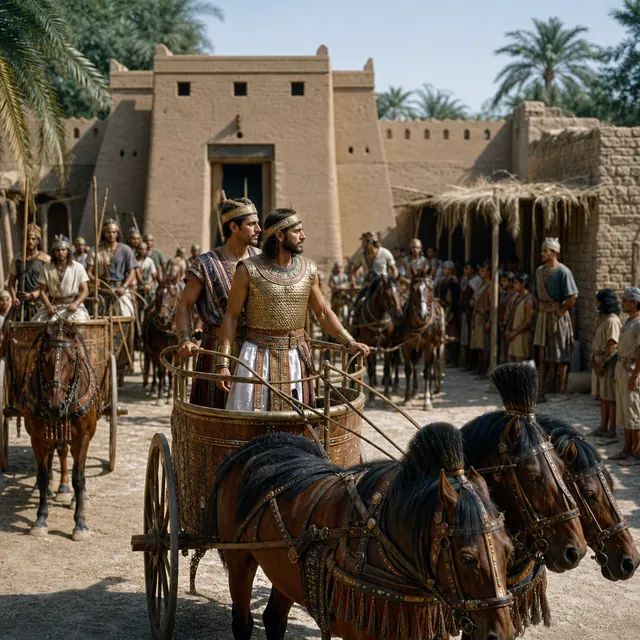
Hyksos Rule at Avaris (Second Intermediate Period)
Semitic rulers from the Levant seize power in the Delta, introducing horse-drawn chariots.
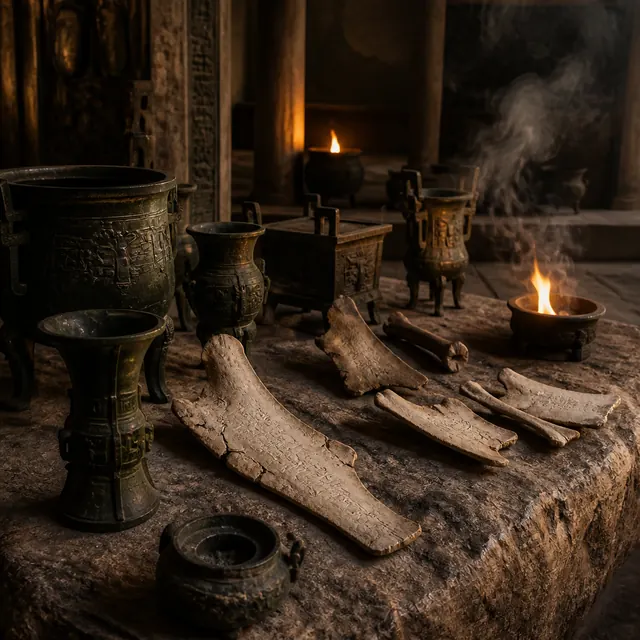
Founding of the Shang Dynasty and Invention of Writing (Jiaguwen)
King Tang founds the Shang Dynasty; creation of China's earliest logographic script on oracle bones.
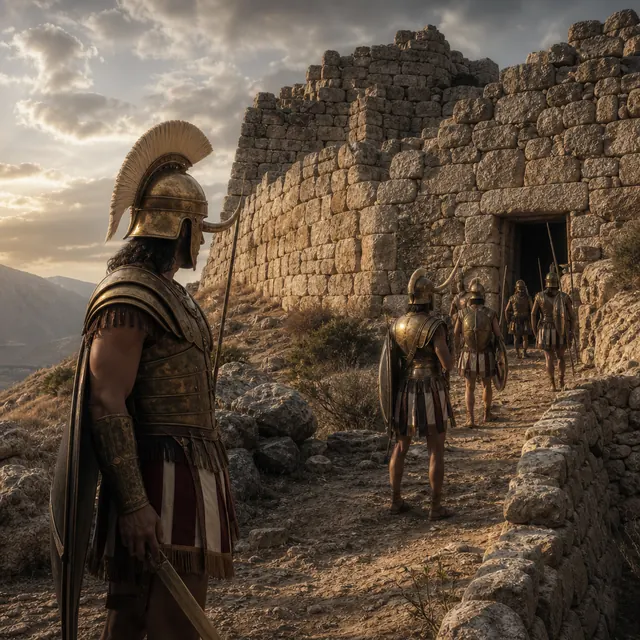
Peak of Mycenaean Kingdoms and Linear B Script
Fortified citadels, tholos tombs, and administrative tablets in Linear B script.
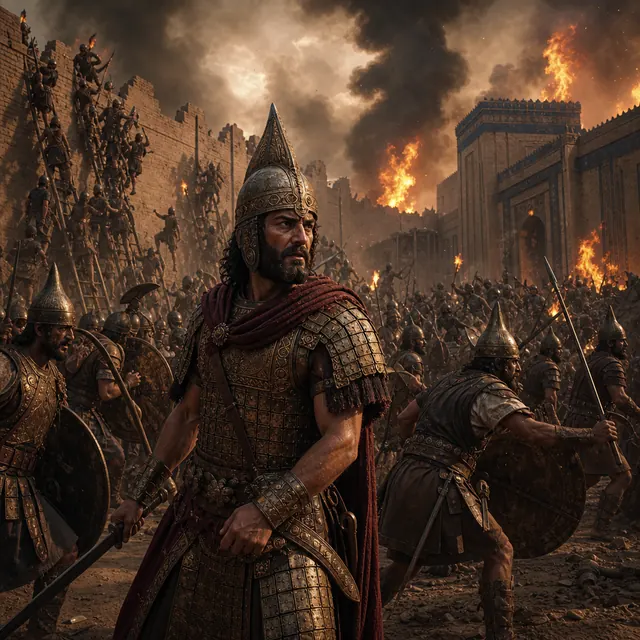
Sack of Babylon by Hittite King Mursili I
Hittite raid from Anatolia bringing down the First Babylonian Dynasty and ushering in Kassite rule.
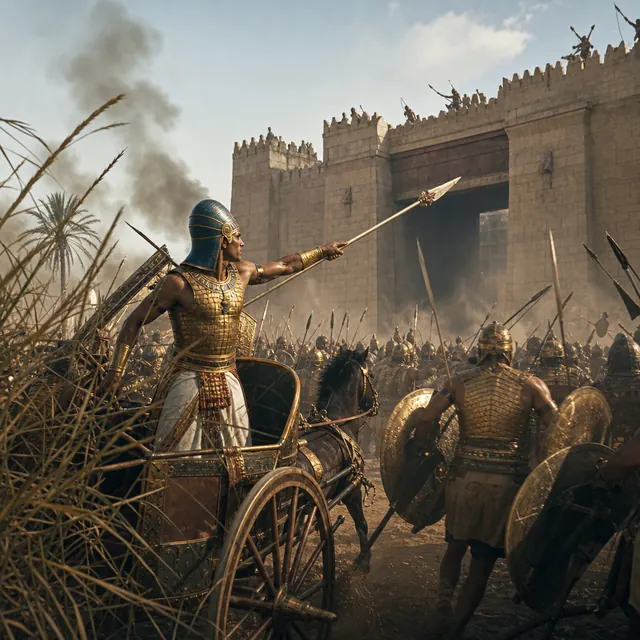
Expulsion of the Hyksos and Founding of New Kingdom by Ahmose I
Ahmose I captures Avaris, reunites the Nile Valley, and launches the Golden Imperial XVIIIth Dynasty.
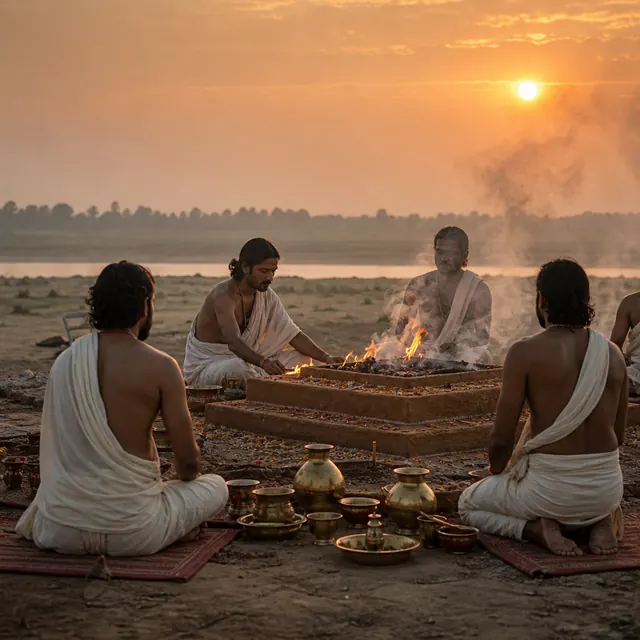
Composition of the Rigveda and Early Vedic Era
Strict oral transmission of 1,028 sacred Sanskrit hymns forming humanity's oldest Indo-European literature.
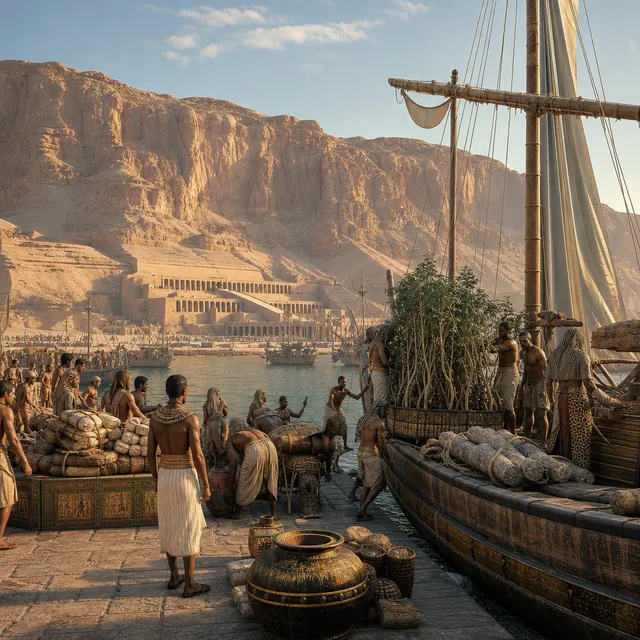
Reign of Hatshepsut and Trade Expedition to Punt
Female Pharaoh Hatshepsut guides 21 years of peace, builds Deir el-Bahari, and reopens maritime routes.
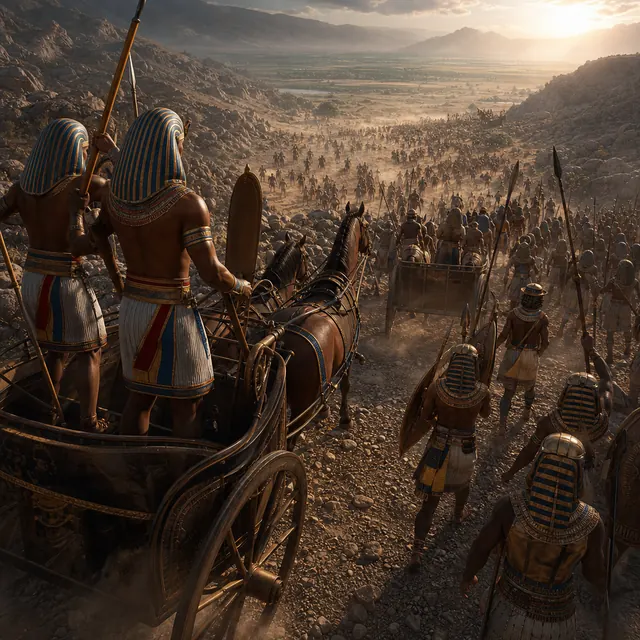
Battle of Megiddo Won by Thutmose III
Thutmose III's brilliant tactical victory over a Canaanite coalition, securing Egyptian Near Eastern empire.
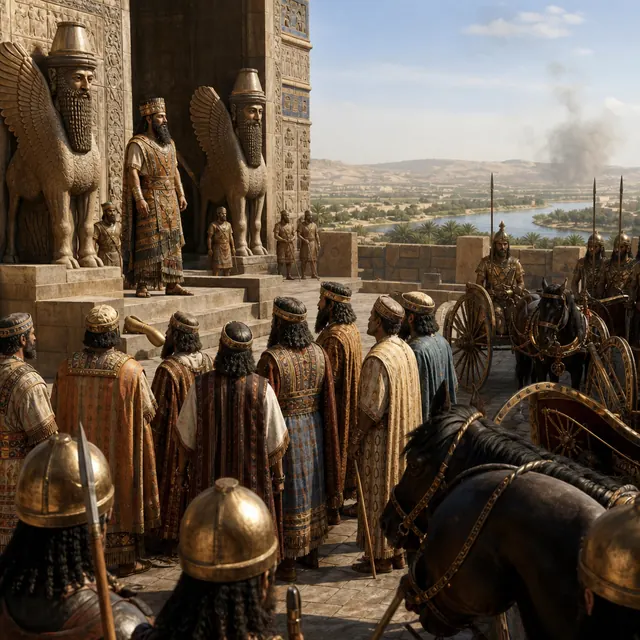
Rise of Middle Assyrian Kingdom under Ashur-uballit I
Assyria throws off Mitanni rule, asserting itself as a diplomatic superpower equal to Egypt.
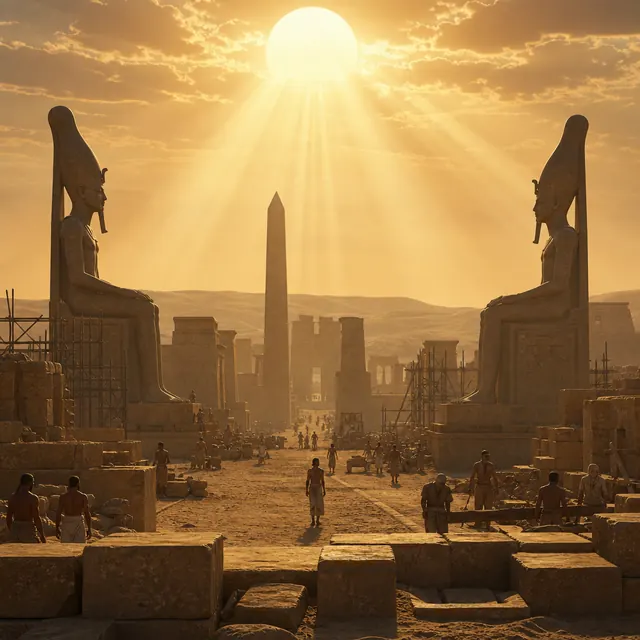
Amarna Revolution and Exclusive Aten Worship by Akhenaten
Akhenaten bans ancient gods, founds capital Akhetaten, and establishes the first state monotheism.
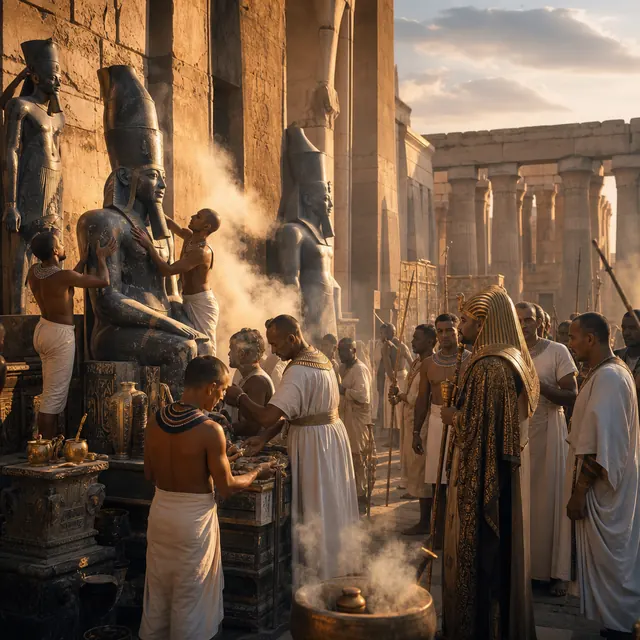
Restoration of Amun Worship under Tutankhamun
Tutankhamun abandons Amarna, reopens temples of Amun, and moves court back to Thebes and Memphis.
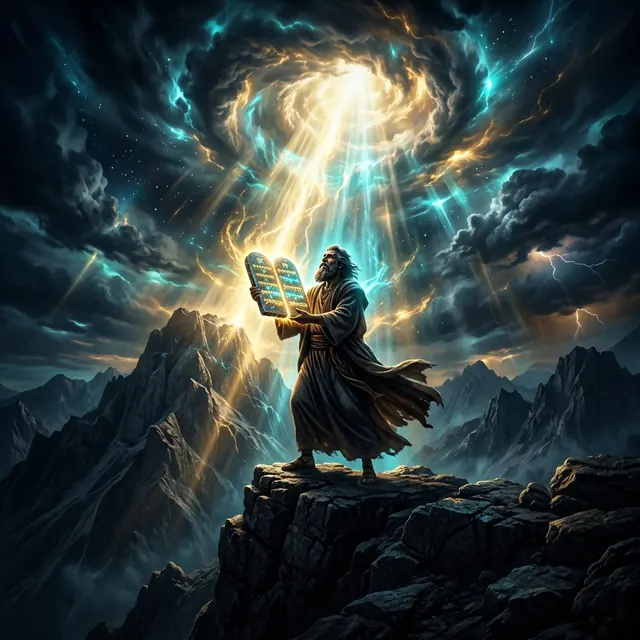
Revelation at Mount Sinai
Gift of the Decalogue (Ten Commandments) to Moses.
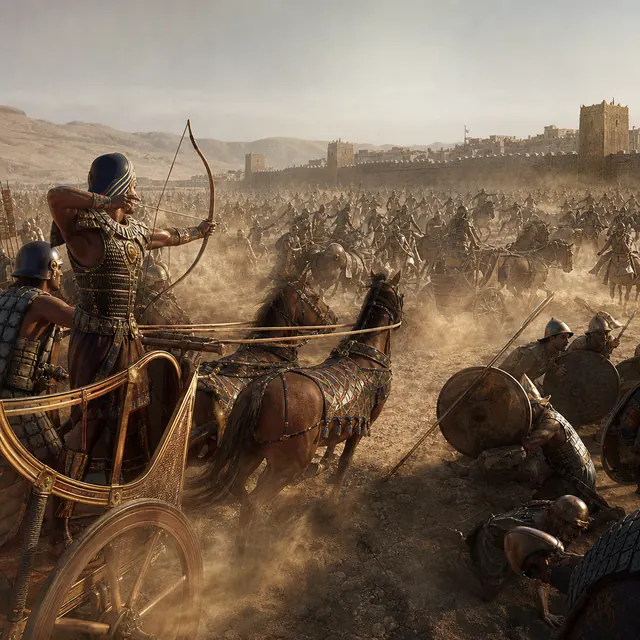
Battle of Kadesh and Egyptian-Hittite Peace Treaty (Ramesses II)
Massive chariot battle at Kadesh followed by the signing of the oldest surviving written peace treaty.
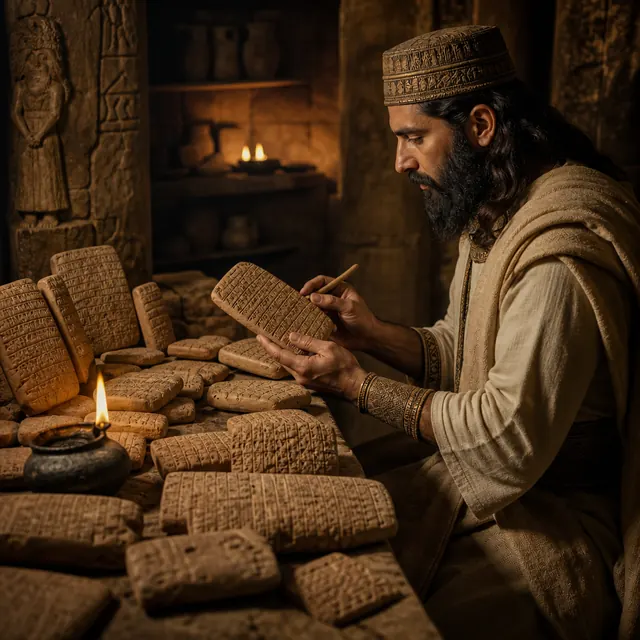
Canonical Composition of the Epic of Gilgamesh (Sîn-lēqi-unninni)
Standardization of the Mesopotamian literary masterpiece relating King Gilgamesh's quest for immortality.
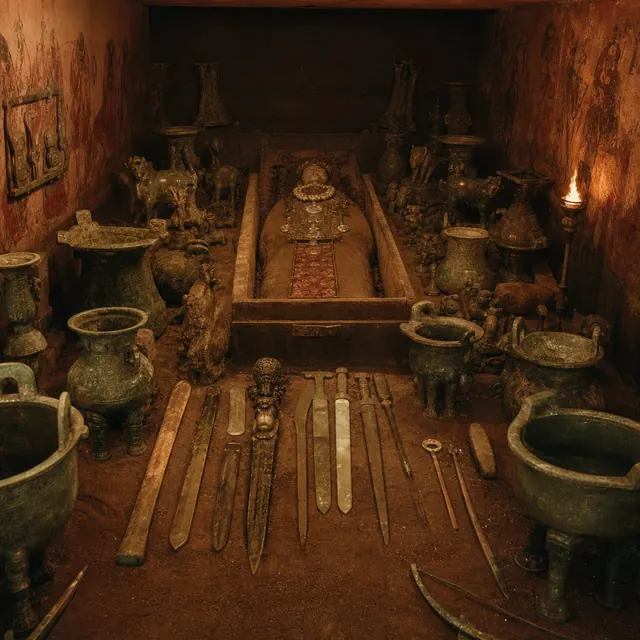
Peak of Yinxu (Anyang) and Tomb of Queen Fu Hao
Reign of Wu Ding and unlooted tomb of Fu Hao, queen and general, displaying Shang artistic heights.
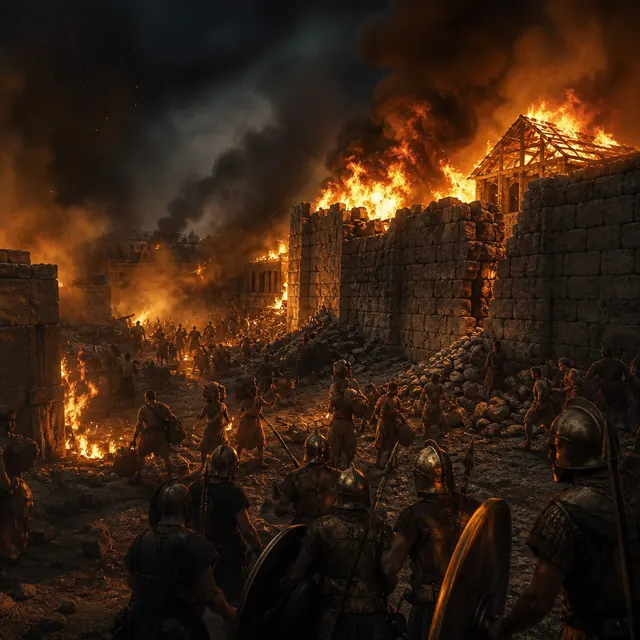
Trojan War Tradition and Late Bronze Age Collapse
Violent destruction of Mycenaean palaces launching the Greek Dark Ages.
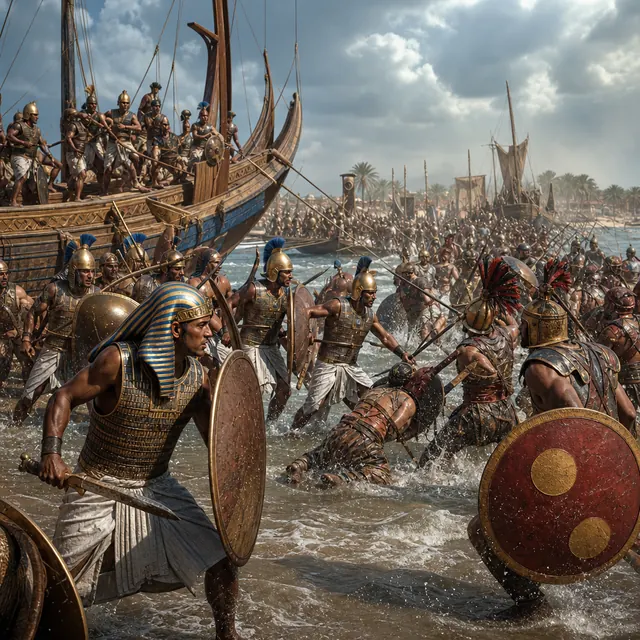
Ramesses III's Victory over the Sea Peoples
Ramesses III repels a devastating land and sea invasion, saving Egypt during the Bronze Age Collapse.
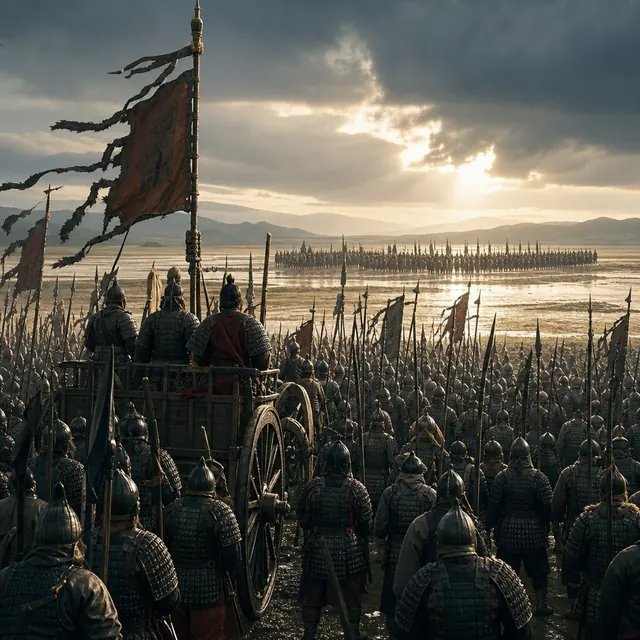
Battle of Muye and Mandate of Heaven Doctrine (Zhou)
King Wu of Zhou overthrows the Shang and introduces the Mandate of Heaven (*Tianming*) doctrine.
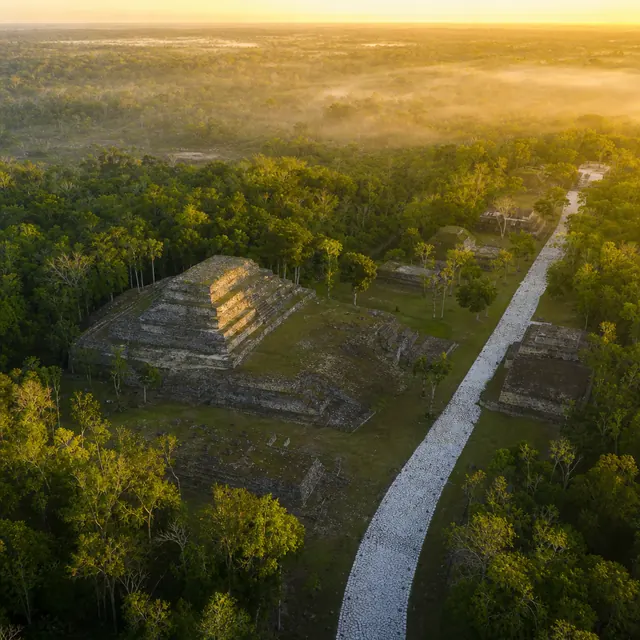
Foundation and Rise of Nakbe
First monumental architecture and causeways (sacbeob) in the Maya lowlands.

Iron Age and Late Vedic Expansion in the Ganges Plain
Adoption of iron tools, expansion of Painted Grey Ware, and formation of the Kuru kingdom.
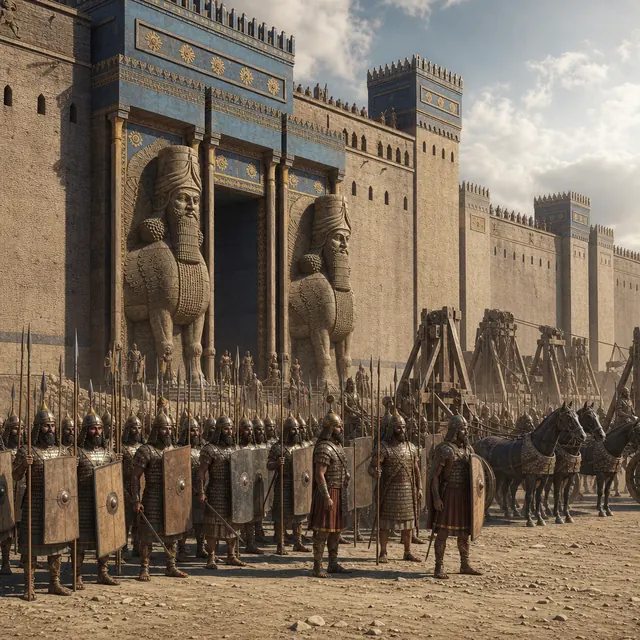
Founding of the Neo-Assyrian Empire by Adad-nirari II
Beginning of massive Assyrian imperial expansion powered by a formidable standing army.
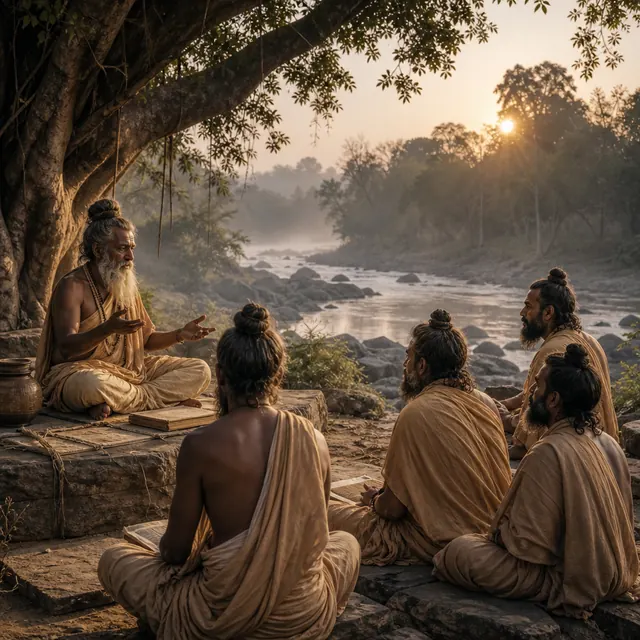
Composition of Early Upanishads and Metaphysics of Karma and Brahman
Philosophical shift formulating core concepts of *Atman*, *Brahman*, *Karma*, and *Moksha*.
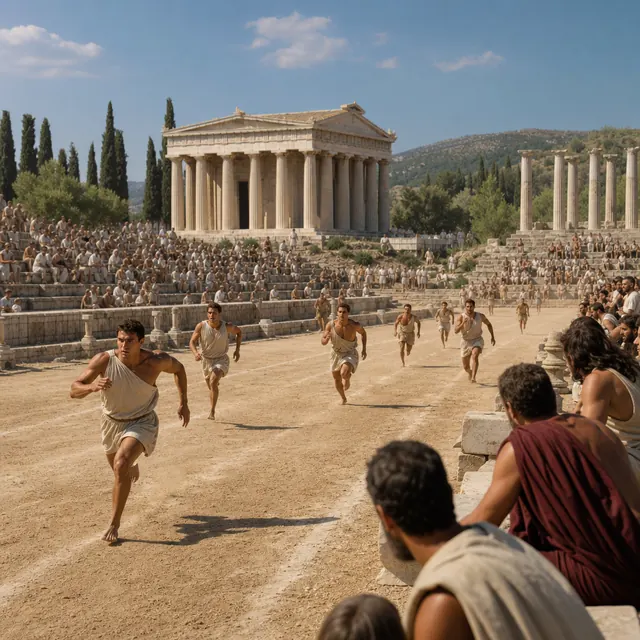
First Recorded Ancient Olympic Games at Olympia
Founding of Panhellenic athletic competitions and the Sacred Truce (*Ekecheiria*).
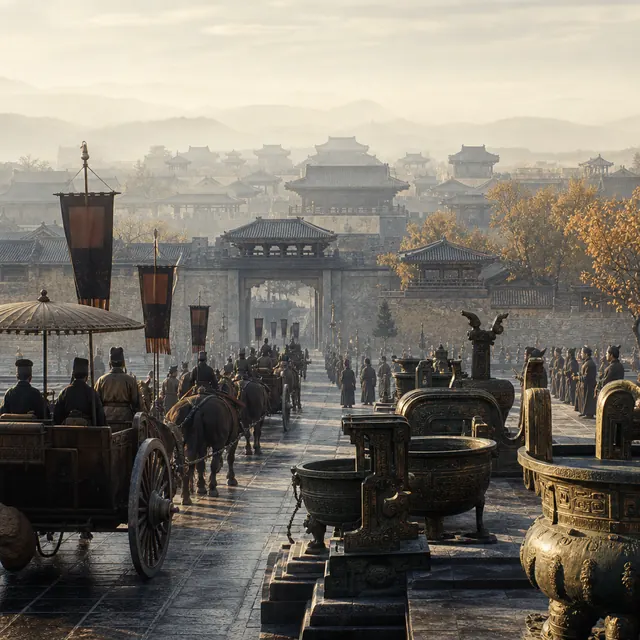
Capital Shift to Luoyang and Spring and Autumn Period
Sack of Haojing; decline of Zhou royal power and rise of regional Hégémons (*Ba*).
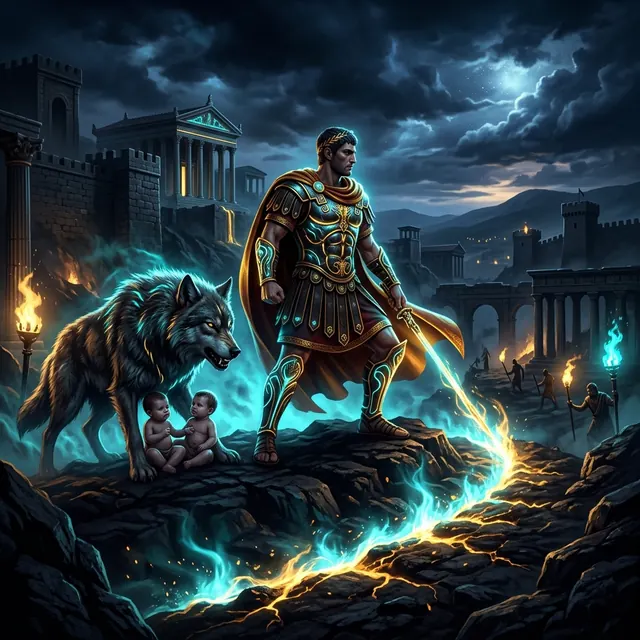
Foundation of Rome
Mytho-historical foundation of the city by Romulus.
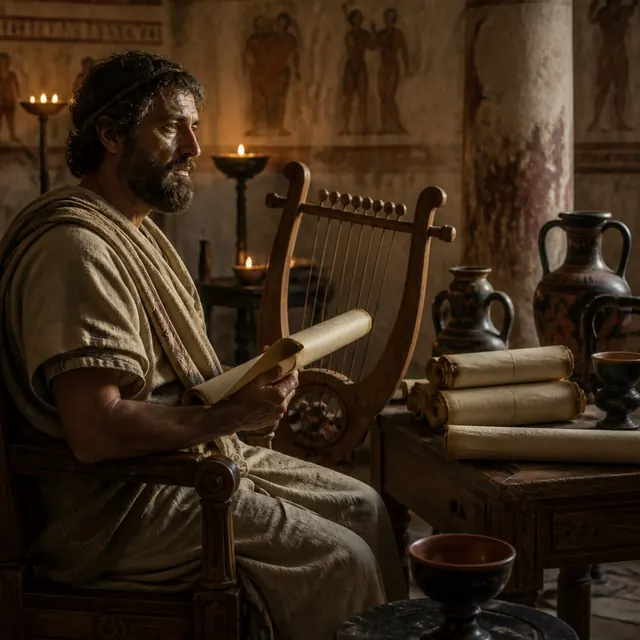
Recording of the Homeric Epics (*Iliad* and *Odyssey*)
Transcription of Homer's oral epics using the newly adapted Greek alphabet.
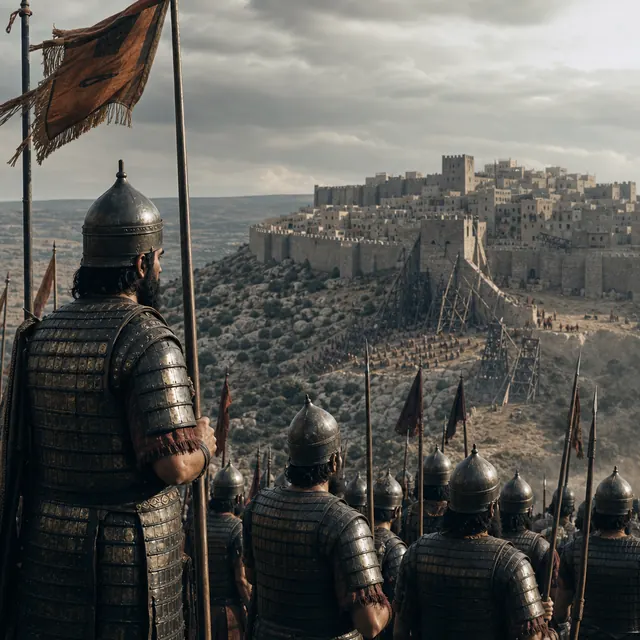
Capture of Samaria and Fall of Kingdom of Israel by Sargon II
Assyria annexes the Northern Kingdom of Israel and deport 27,290 residents across the empire.
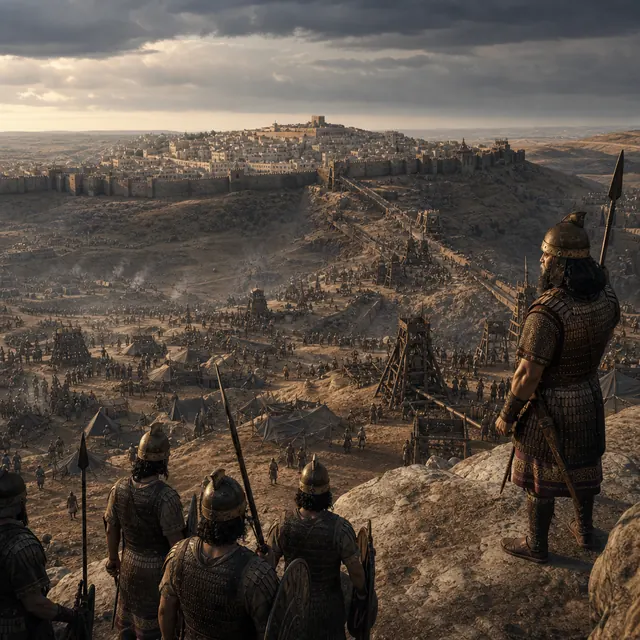
Sennacherib's Campaign in Judah and Siege of Jerusalem
Sennacherib destroys Lachish and besieges Jerusalem, extracting a massive tribute from King Hezekiah.
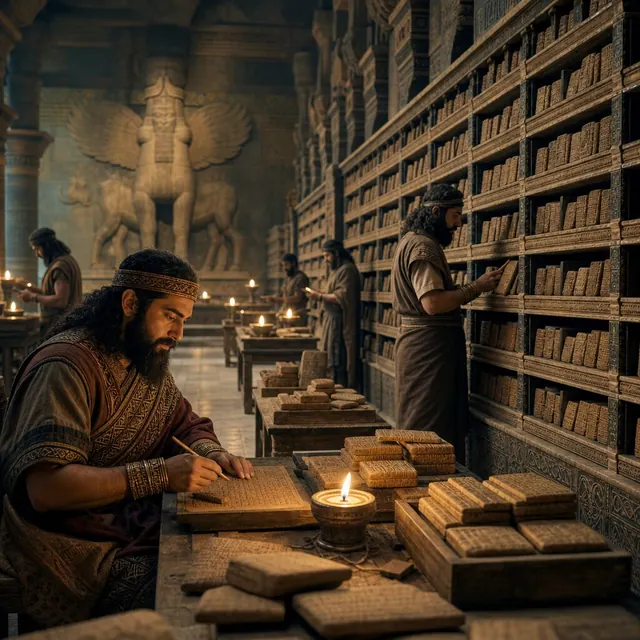
Creation of Ashurbanipal's Royal Library at Nineveh
Ashurbanipal collects over 30,000 cuneiform tablets in Nineveh, creating antiquity's first systematic library.
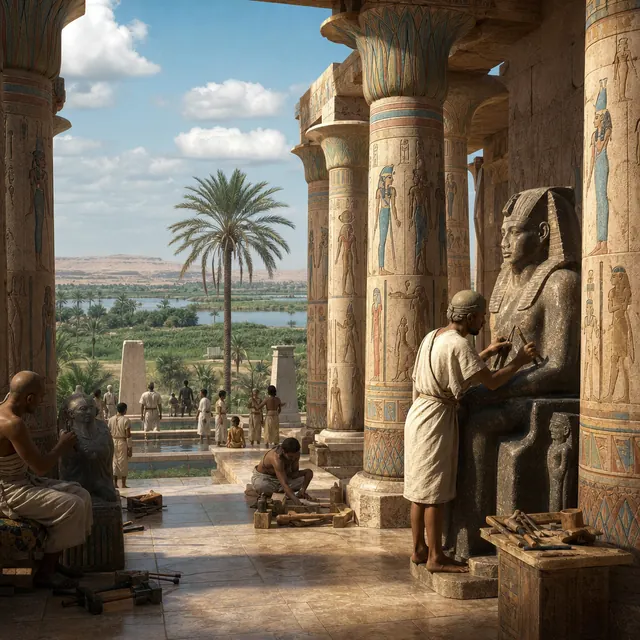
Founding of XXVIth Dynasty and Saite Renaissance
Psamtik I frees Egypt from Assyrian oversight, initiating a era of trade and classical art revival.
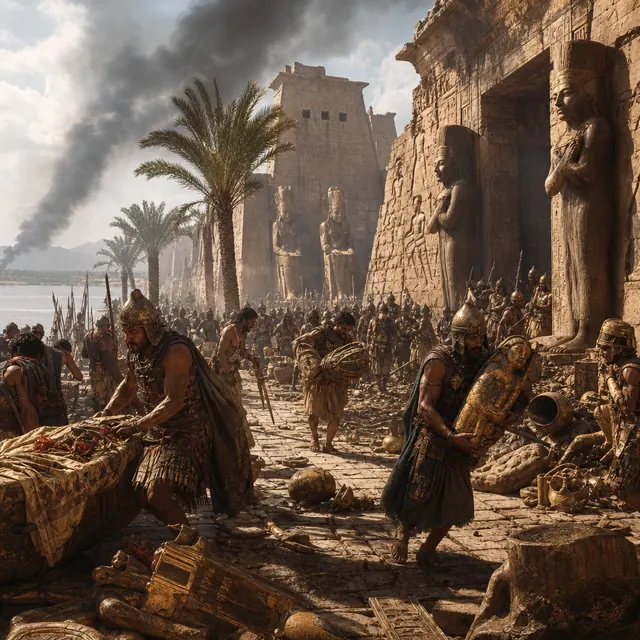
Sack of Thebes by Assyrian Emperor Ashurbanipal
Ashurbanipal invades Egypt, sacks the sacred city of Amun, ending the XXVth Kushite Dynasty.
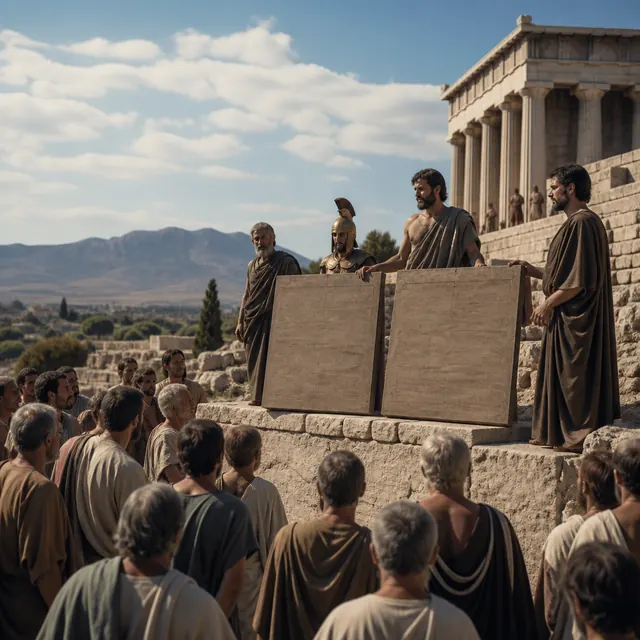
Promulgation of Athens' First Written Law Code by Draco
Establishment of statutory written homicide laws replacing private clan retribution.
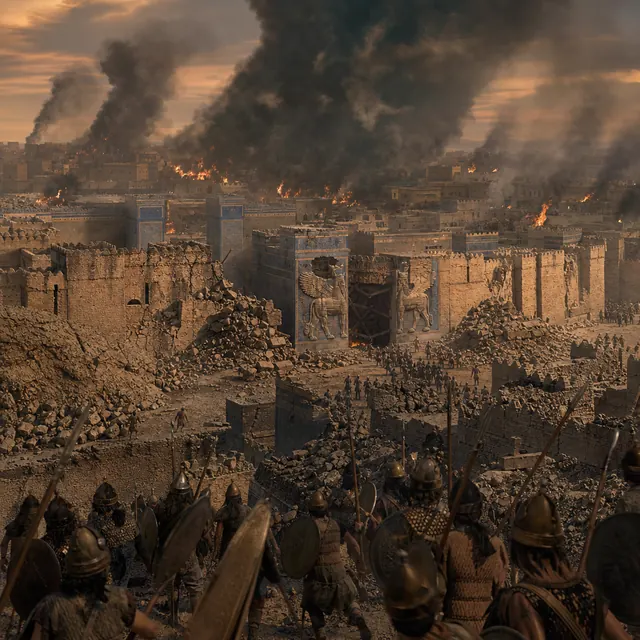
Sack and Fall of Nineveh to Babylonians and Medes
An alliance of Nabopolassar and Cyaxares razes the Assyrian capital, destroying the Assyrian Empire.
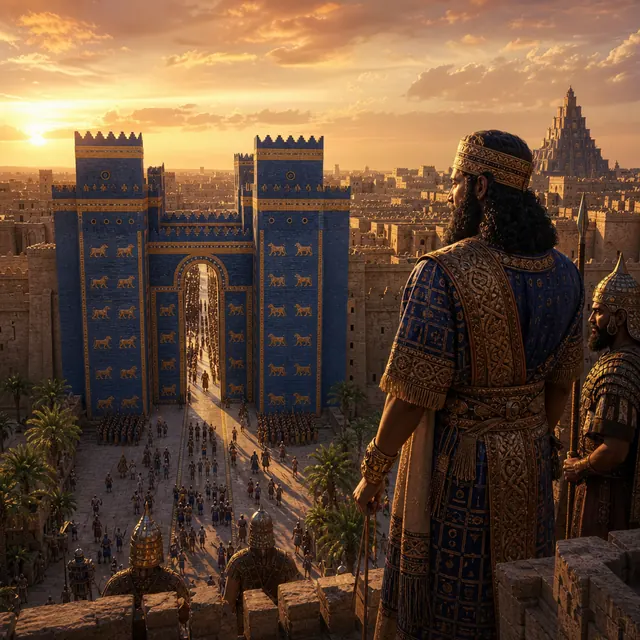
Victory at Carchemish and Peak of Nebuchadnezzar II
Nebuchadnezzar II defeats Egypt at Carchemish, annexing the Levant and making Babylon a global metropolis.
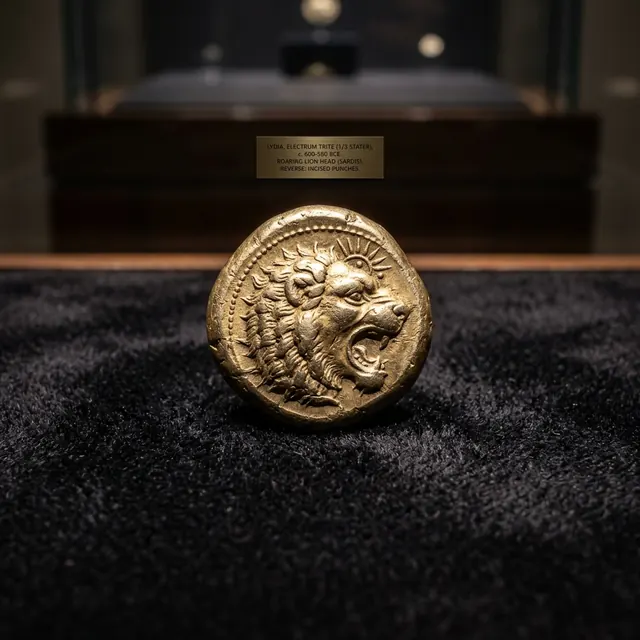
Invention of Coinage
First official coins minted in electrum in Lydia (Minor Asia).
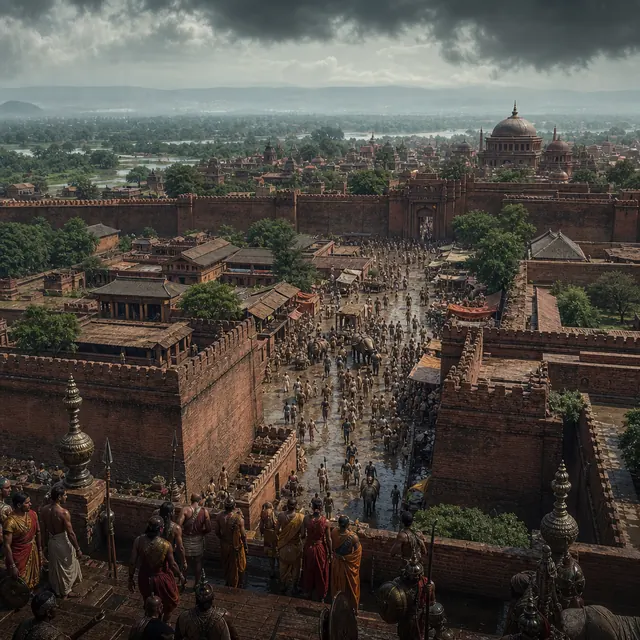
Emergence of the 16 Mahajanapadas (Great Kingdoms and Republics)
Second Urbanization of India and rise of 16 major territorial states across Northern India.
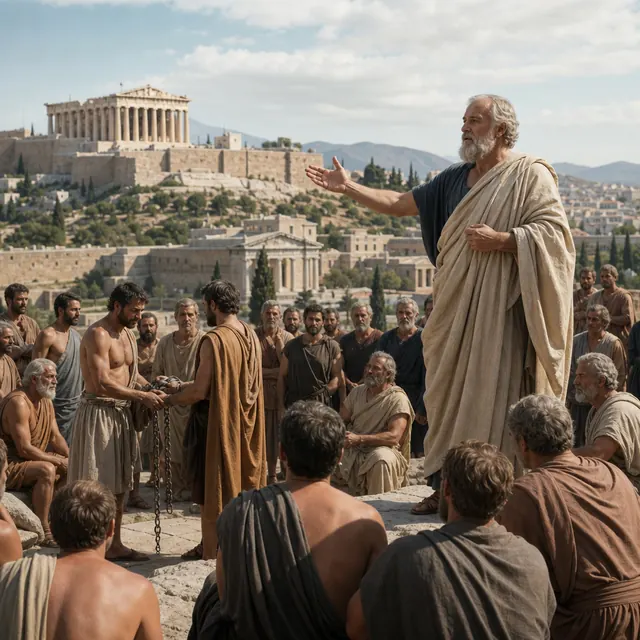
Constitutional and Social Reforms of Solon at Athens
Abolition of debt slavery (*Seisachtheia*) and establishment of popular courts.
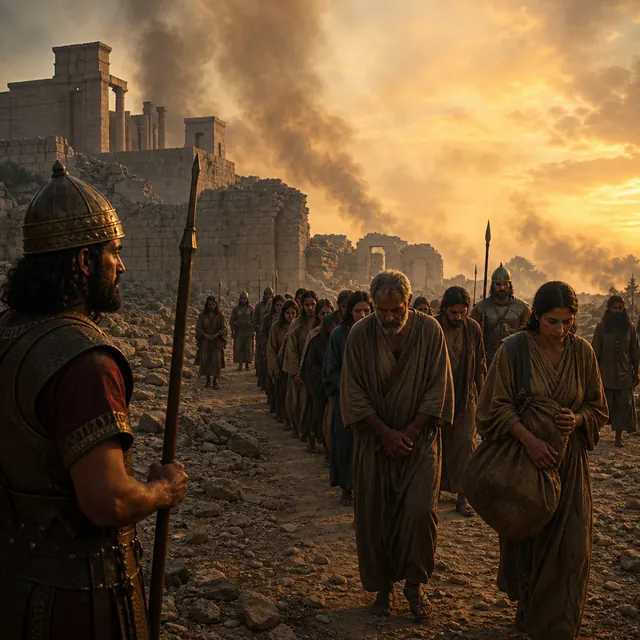
Destruction of Solomon's Temple and Babylonian Exile
Nebuchadnezzar II destroys Jerusalem and deports Judean elites, triggering the canonization of the Hebrew Bible.
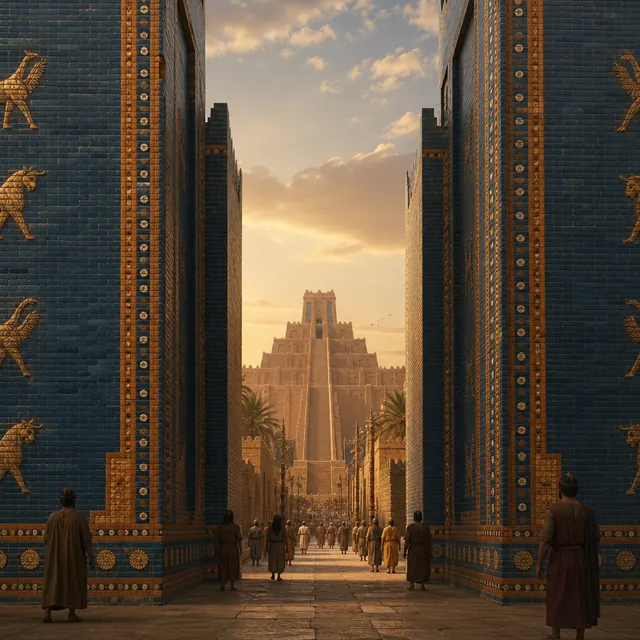
Erection of Ishtar Gate and Etemenanki Ziggurat
Construction of blue-glazed brick monuments and the 91m ziggurat that inspired the Tower of Babel.

Enlightenment of Siddhartha Gautama and Founding of Buddhism
The Buddha attains Enlightenment at Bodh Gaya, establishing the Four Noble Truths and the *Sangha*.

Birth and Philosophy of Confucius (Kong Fuzi)
Confucius articulates ethics centered on benevolence (*Ren*), ritual propriety (*Li*), and filial piety (*Xiao*).
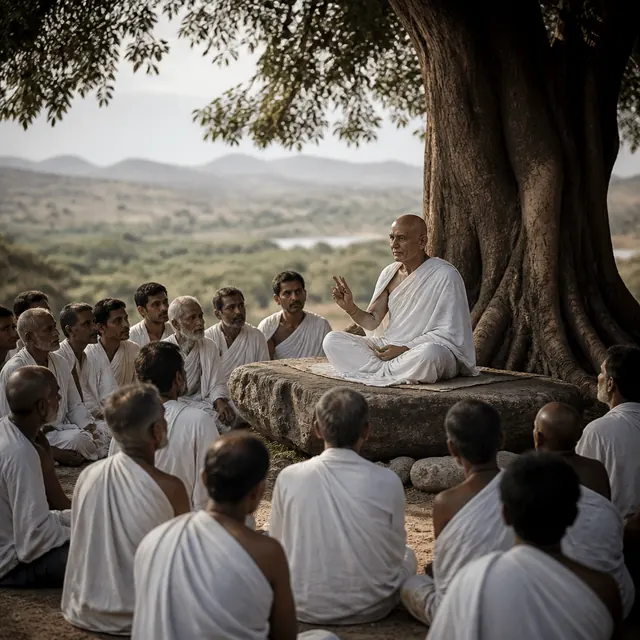
Preaching of Mahavira and Codification of Absolute Non-Violence (*Ahimsa*)
The 24th Tirthankara reformulates Jainism, establishing absolute *Ahimsa* as the supreme ethical duty.
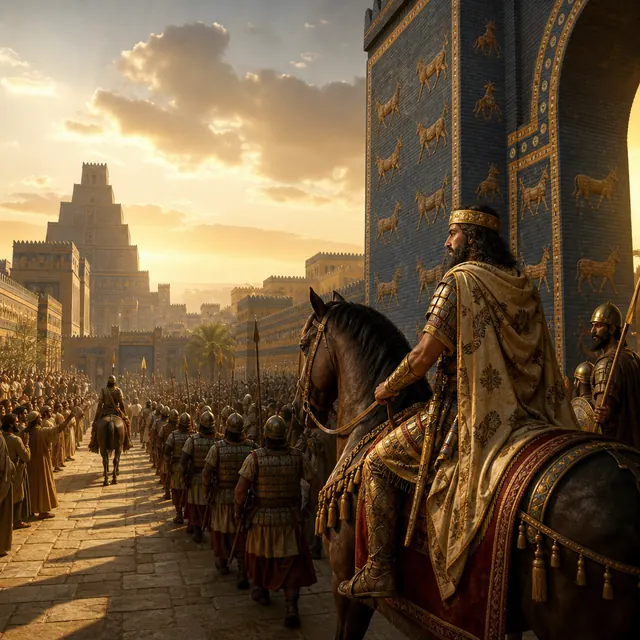
Capture of Babylon by Cyrus the Great and Cyrus Cylinder
Cyrus II takes Babylon, ends the Neo-Babylonian Empire, and issues a decree permitting exiles to return to Jerusalem.

Enlightenment of Gautama Buddha
Siddhartha Gautama achieves Nirvana under the Bodhi tree.
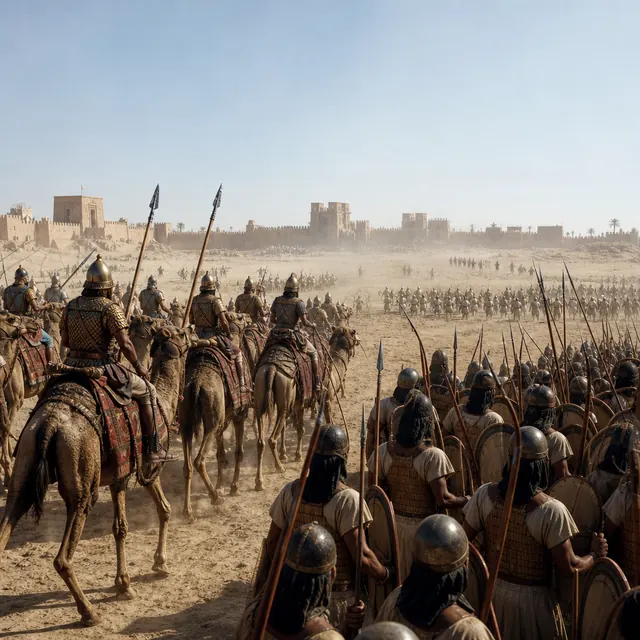
Persian Conquest of Egypt by Cambyses II (Battle of Pelusium)
Cambyses II defeats Psamtik III at Pelusium, turning Egypt into an Achaemenid Persian satrapy.
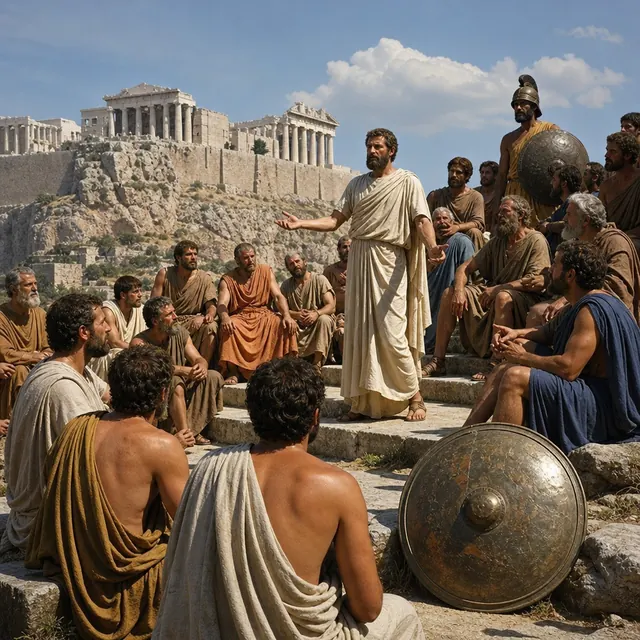
Founding of Athenian Democracy by Cleisthenes' Reforms
Creation of 10 artificial tribes, institution of *Isonomia*, and creation of ostracism.

Composition of *The Art of War* by Sun Tzu (Sun Wu)
Sun Tzu composes humanity's premier strategy manual emphasizing deception and winning without battle.
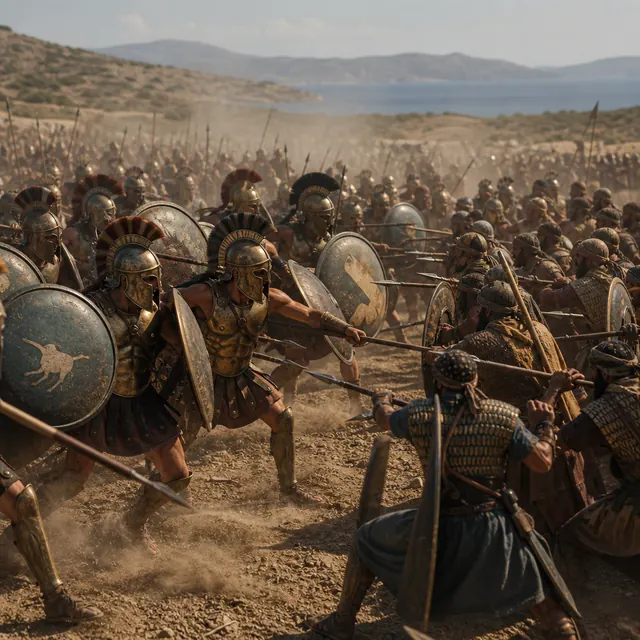
First Persian War and Athenian Victory at the Battle of Marathon
General Miltiades routs Darius I's Persian invasion force on the plains of Marathon.
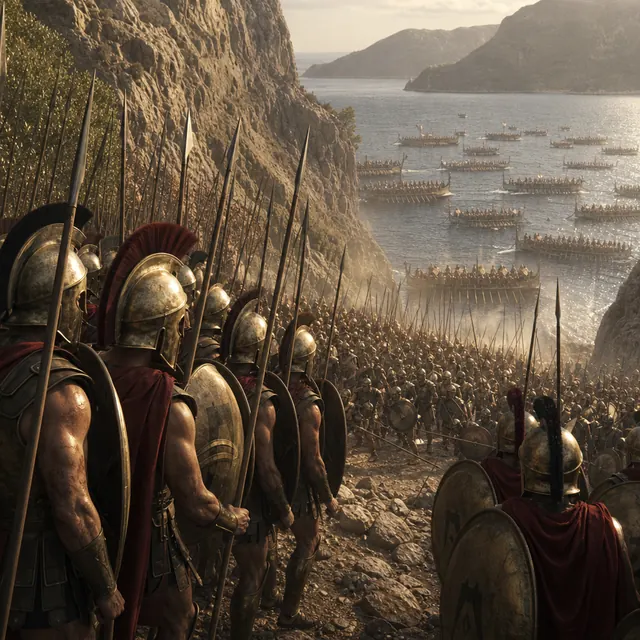
Battle of Thermopylae and Athenian Naval Victory at Salamis
Stand of Leonidas's 300 Spartans and Themistocles' decisive naval victory over Xerxes.
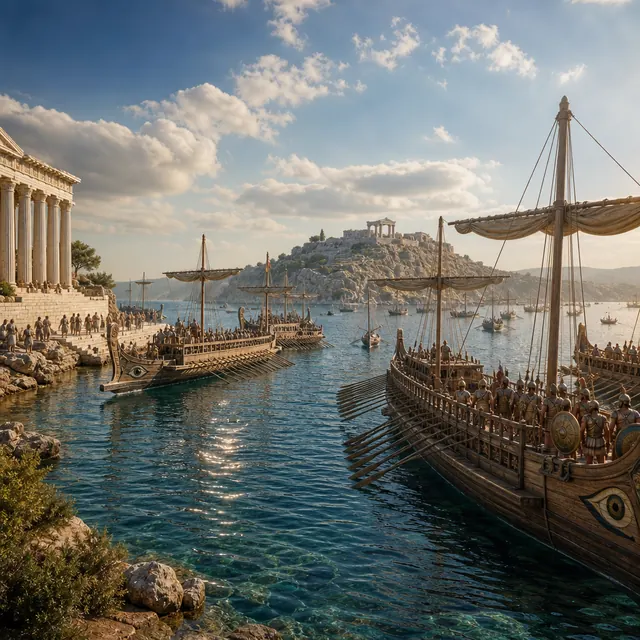
Founding of the Delian League and Rise of Athenian Empire
Maritime alliance of Aegean poleis evolving into an Athenian naval empire.
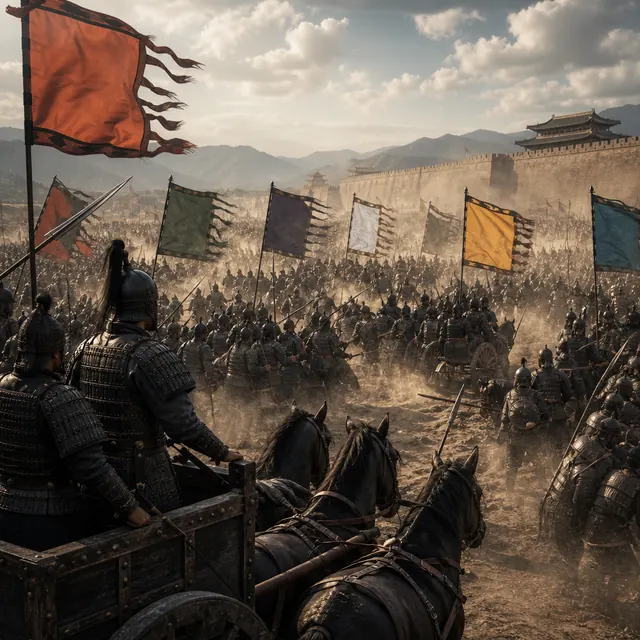
Partition of Jin and Start of Warring States Period (*Zhanguo*)
Seven major states engage in total war alongside the intellectual flourishing of the Hundred Schools.
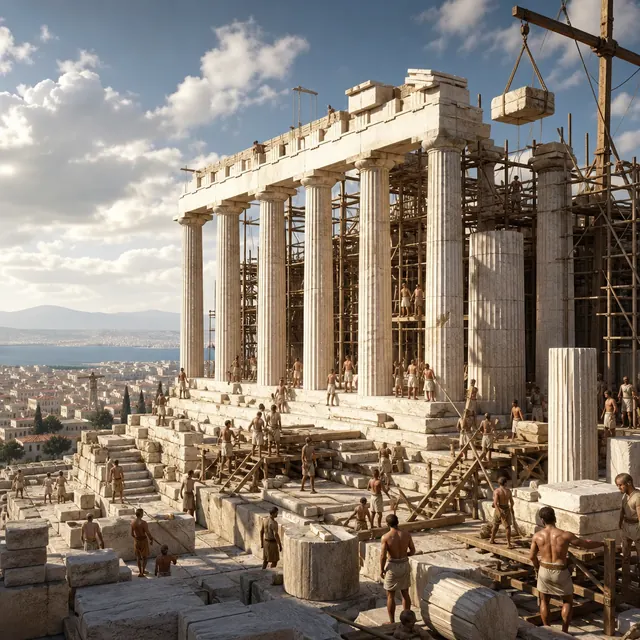
Construction of the Parthenon and Golden Age of Pericles
Peak of Athenian architecture, dramatic arts, and democratic self-confidence.
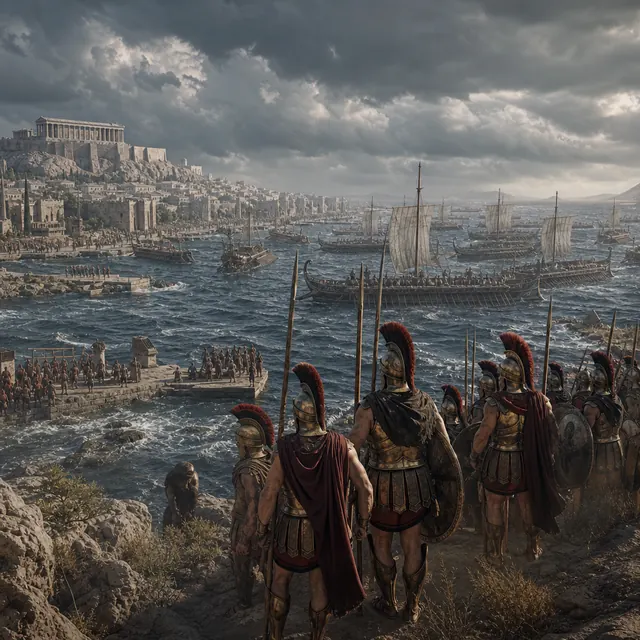
Outbreak of the Peloponnesian War between Athens and Sparta
Conflagration for supremacy over Greece ending with the collapse of Athenian hegemony in 404 BCE.
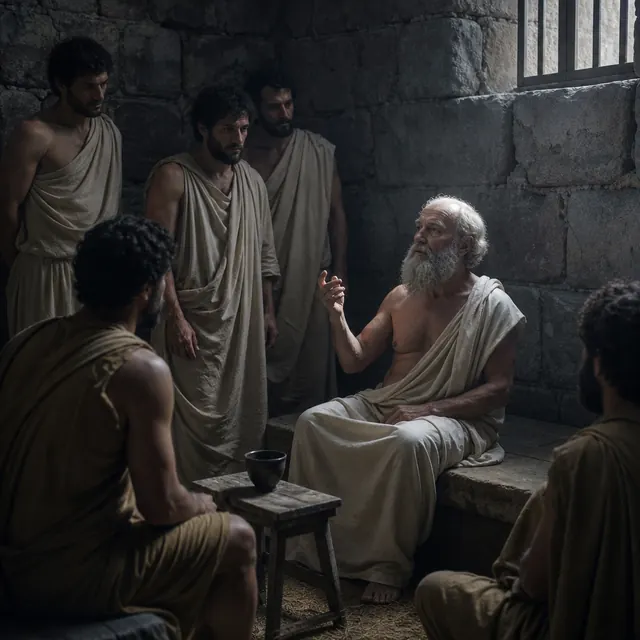
Trial and Execution of Socrates at Athens
Capital trial and death by hemlock of the founding father of Western ethics.
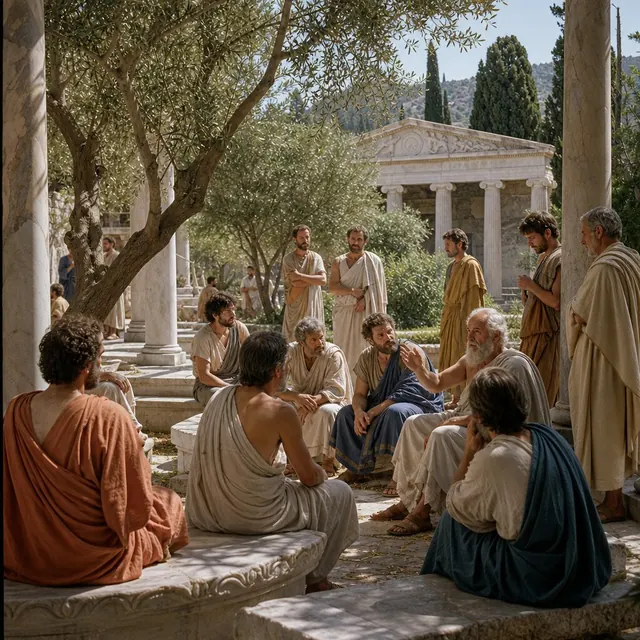
Founding of Plato's Academy at Athens
Establishment of Europe's premier institute of philosophical research and higher education.
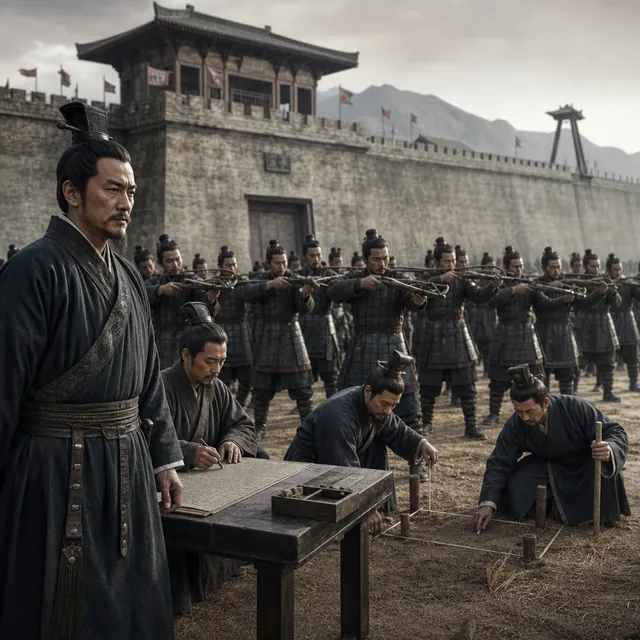
Legalist Reforms of Shang Yang in the State of Qin
Shang Yang abolishes feudal privilege, building the centralized Legalist state and army of Qin.
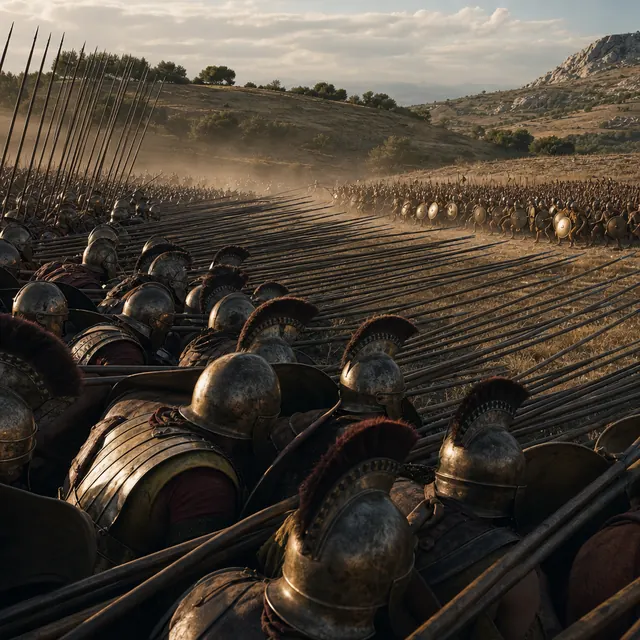
Battle of Chaeronea and Rise of Macedonian Hegemony
Philip II of Macedon defeats Athens and Thebes, ending Classical Greek city-state autonomy.
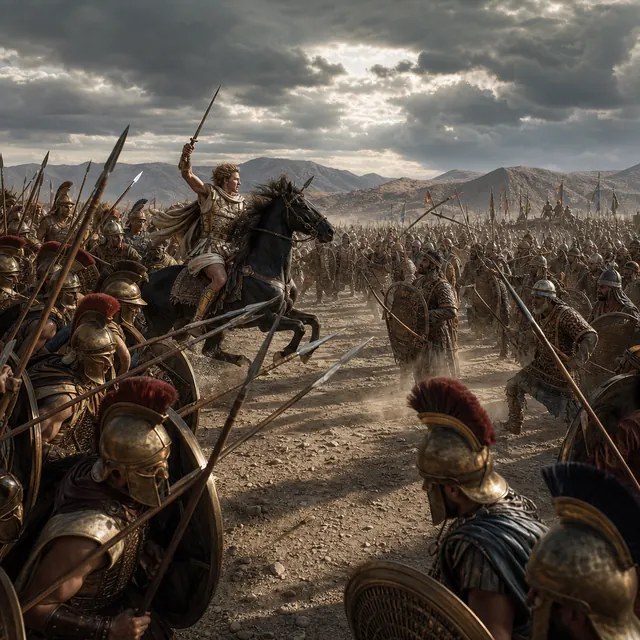
Alexander the Great's Conquest of the Persian Empire
Macedonian conquest overthrows Darius III and spreads Hellenism from Egypt to India.
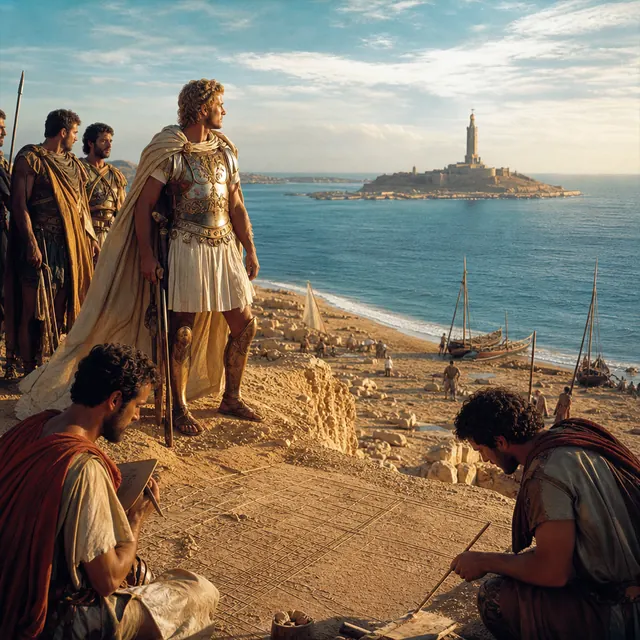
Alexander the Great's Conquest and Founding of Alexandria
Alexander enters Egypt as a liberator, is hailed son of Amun at Siwa, and plans Alexandria.
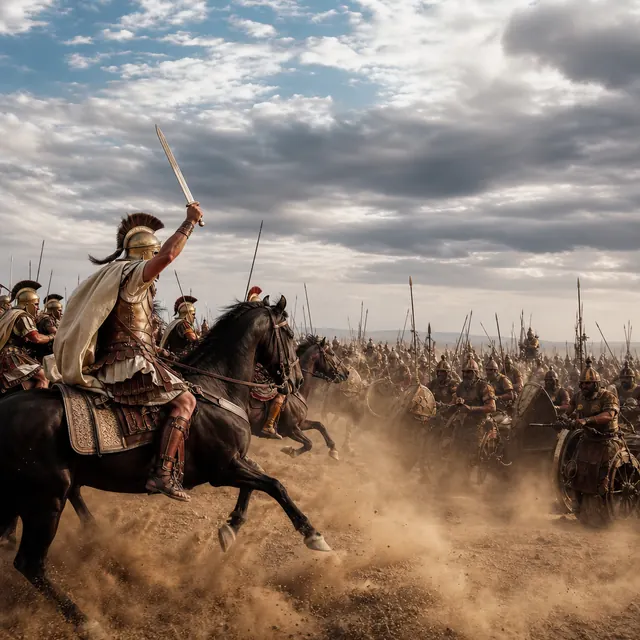
Battle of Gaugamela and Fall of the Persian Empire
Alexander the Great defeats Darius III in Northern Mesopotamia, capturing Babylon and opening the Hellenistic era.
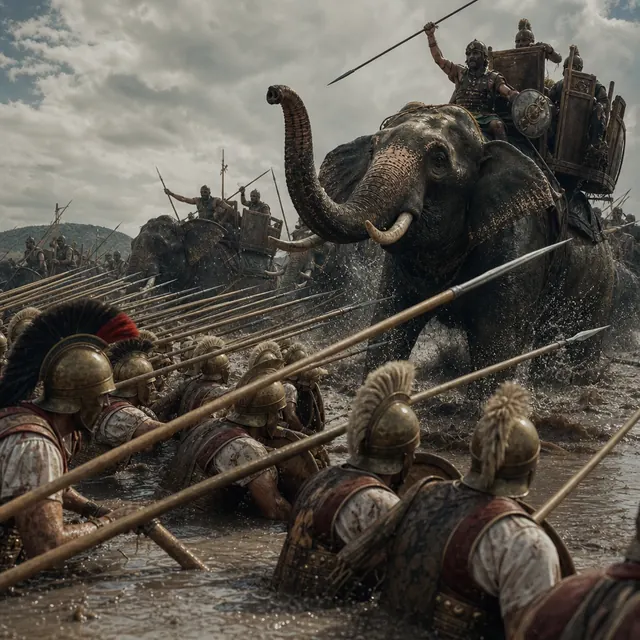
Battle of the Hydaspes between Alexander the Great and King Porus
Clash on the Jhelum River between Greek phalanxes and King Porus' war elephant corps.
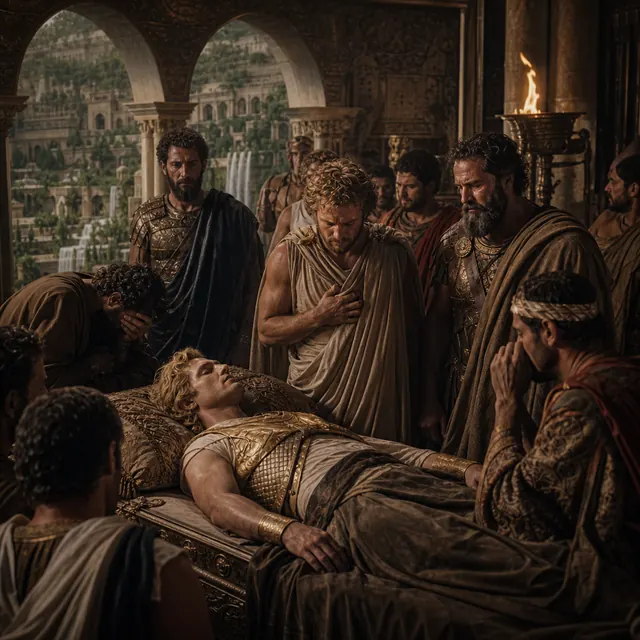
Death of Alexander in Babylon and Rise of Hellenistic Kingdoms
Partition of Alexander's empire by the Diadochi launching the global Hellenistic Era.
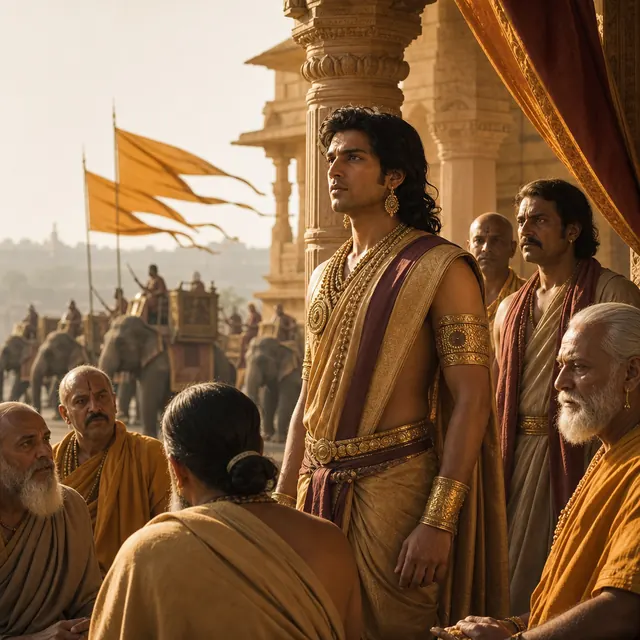
Founding of the Mauryan Empire by Chandragupta and Chanakya
Overthrow of the Nanda Dynasty and creation of India's first unified empire centered at Pataliputra.
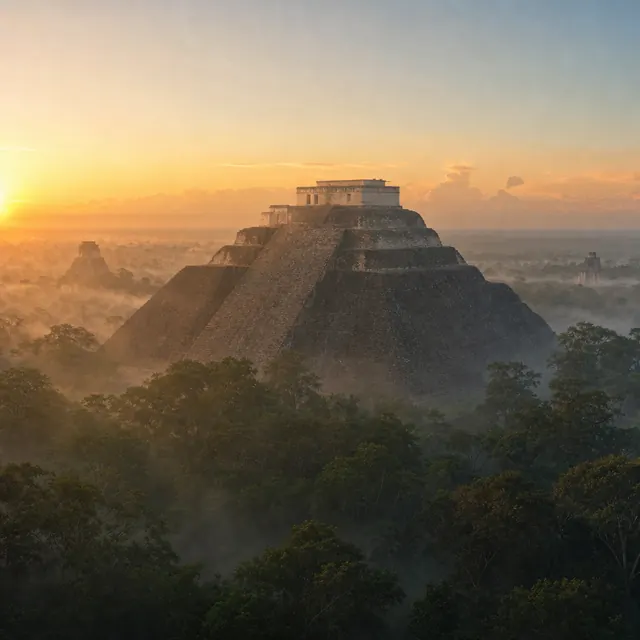
Peak of El Mirador and La Danta Pyramid
El Mirador becomes the most powerful Preclassic Maya metropolis, housing the giant La Danta pyramid.
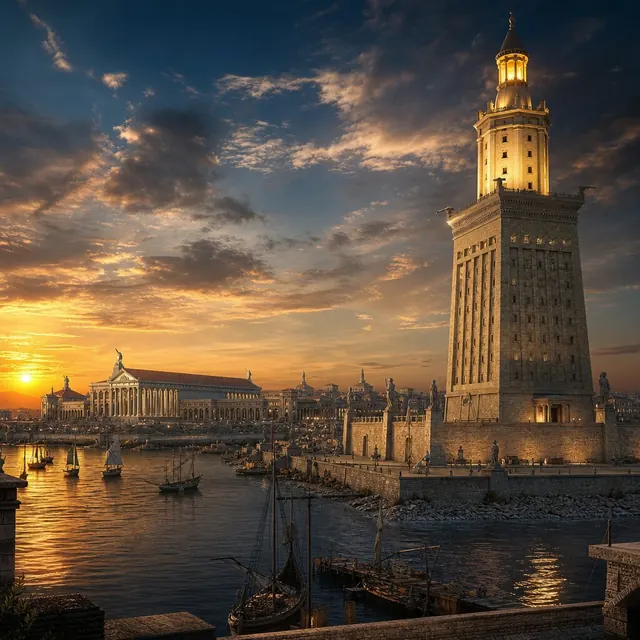
Scientific Peak: Great Library and Lighthouse of Alexandria
Ptolemy II completes the Lighthouse and Mouseion, making Alexandria the ancient world's intellectual capital.
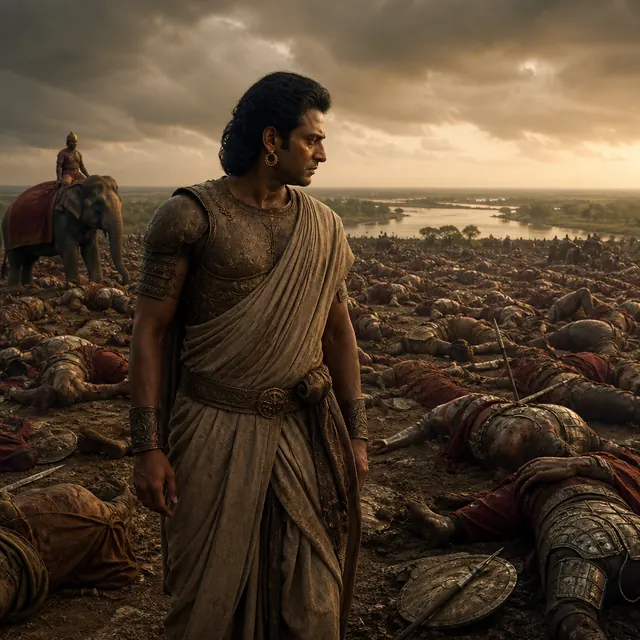
Kalinga War and Promulgation of Ashoka's Edicts
Emperor Ashoka foreswears military conquest after Kalinga, carving moral Edicts across his empire.

Construction of Dujiangyan Irrigation System by Li Bing
Brilliant non-dam river engineering project turning Sichuan into China's supreme agricultural engine.
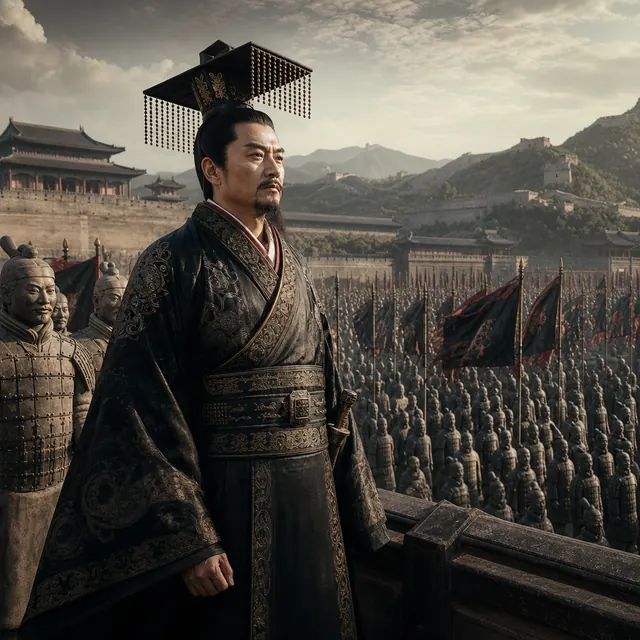
Unification of China and Founding of Imperial Qin by Qin Shi Huang
Ying Zheng conquers the 6 rival states, abolishing feudalism to become China's First Emperor.
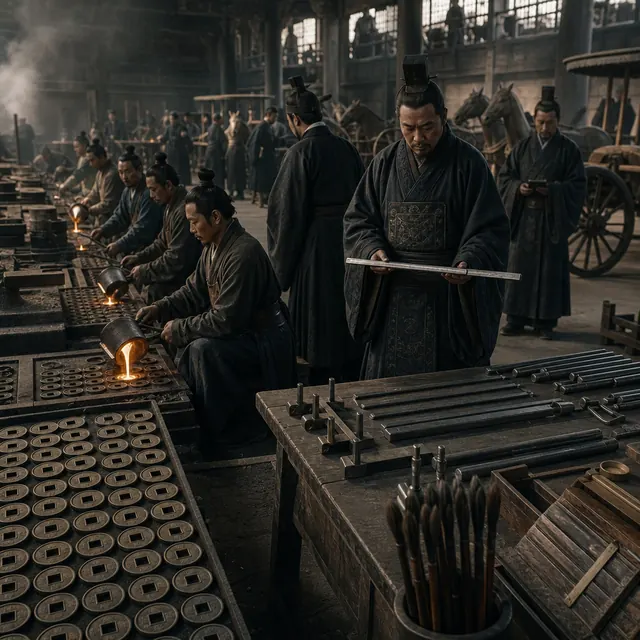
Universal Standardization of Script, Currency, Weights, and Measures
Enforcement of Ban Liang coinage, Small Seal script, and empire-wide physical standards.
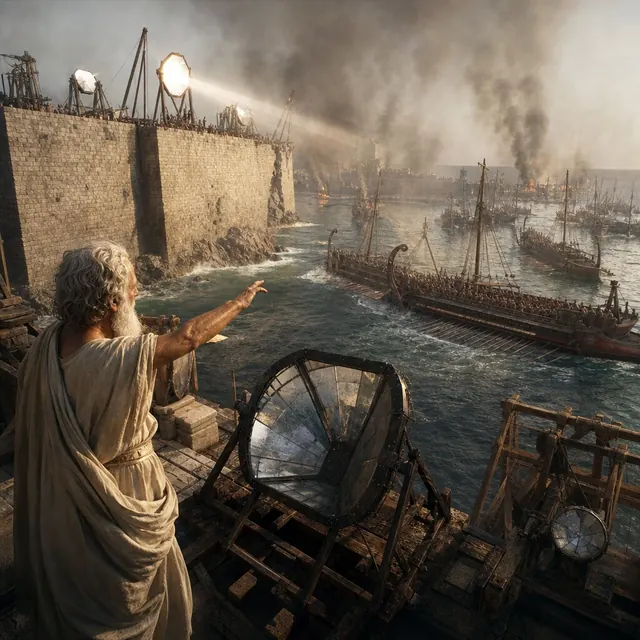
Archimedes' Engineering Achievements and Siege of Syracuse
Archimedes' war machines defend Greek Syracuse against Marcellus's Roman legions.
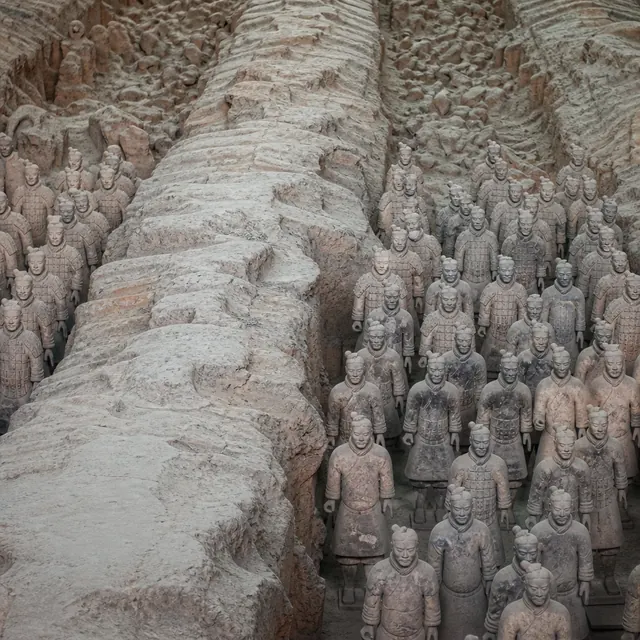
Assembly of the Terracotta Army of Qin Shi Huang's Mausoleum
Creation of a subterranean imperial army of 8,000 unique life-sized terracotta soldiers.
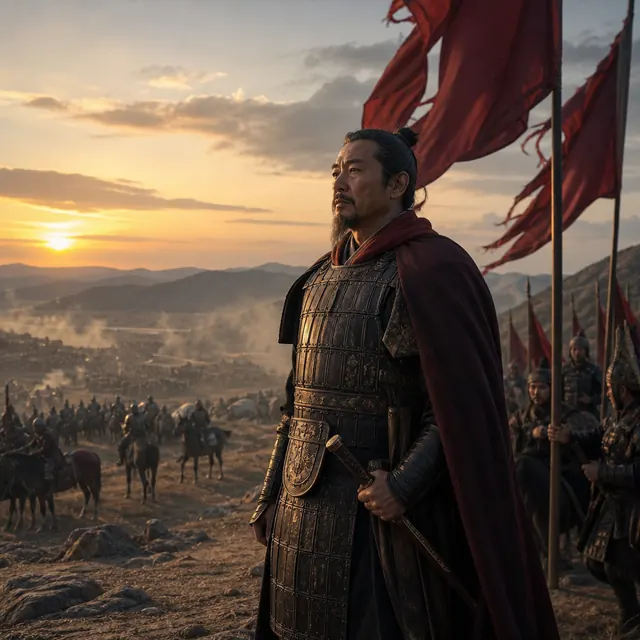
Victory at Gaoxian and Founding of Han Dynasty by Liu Bang
Liu Bang defeats Xiang Yu, establishing the 400-year Han Dynasty centered at Chang'an.
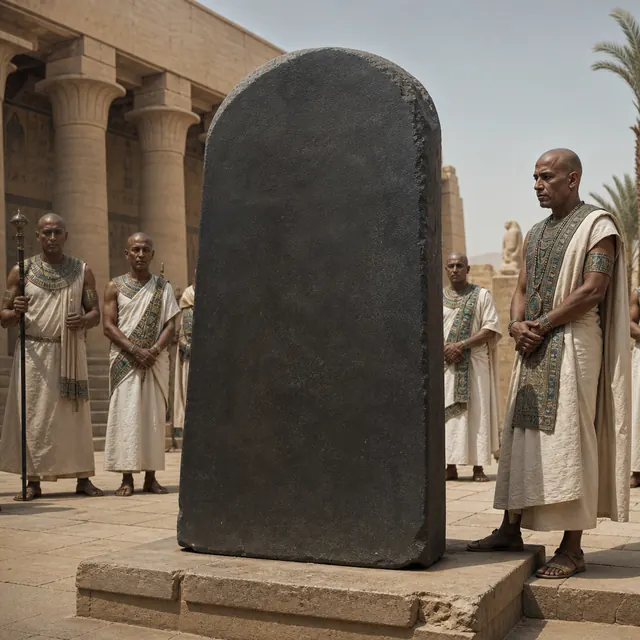
Promulgation of the Decree of Memphis (Rosetta Stone)
Carving of the trilingual decree under Ptolemy V, which enabled Champollion to decipher hieroglyphs in 1822.
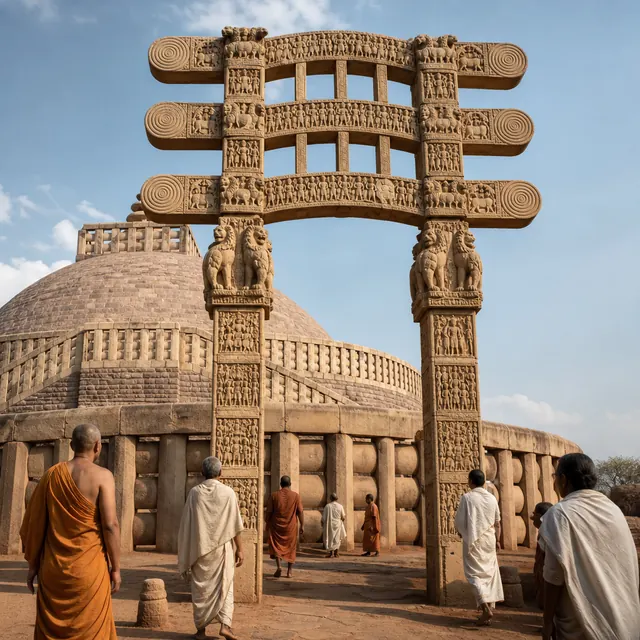
Coup of Pushyamitra Shunga and Artistic Flourishing at Sanchi
Revival of Brahmanical rites paired with monumental stone carving on Sanchi Stupa gateways.
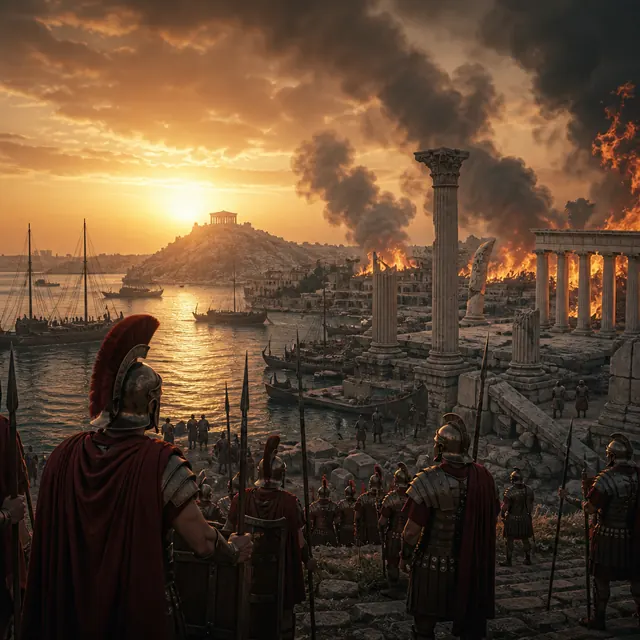
Battle of Corinth and Roman Conquest of Greece
Destruction of Corinth by Mummius and integration of Greece into the Roman Empire.
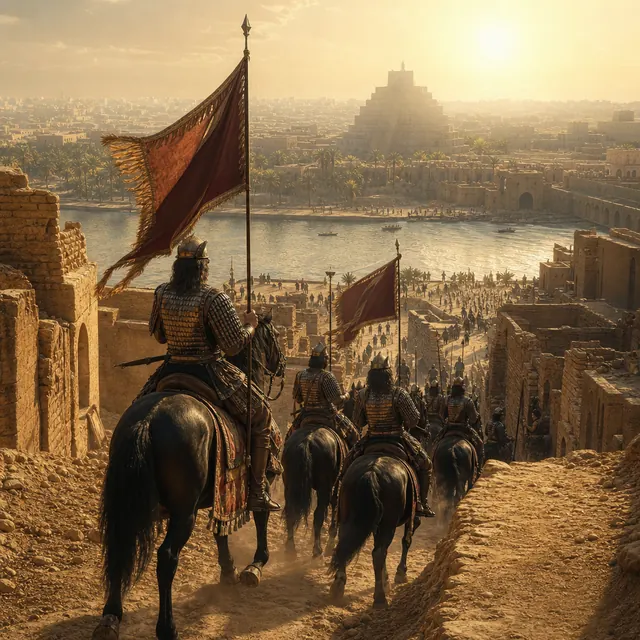
Parthian Conquest of Mesopotamia and Decline of Babylon
Parthian King Mithridates I captures Babylon, shifting prominence to Ctesiphon and ending cuneiform writing.
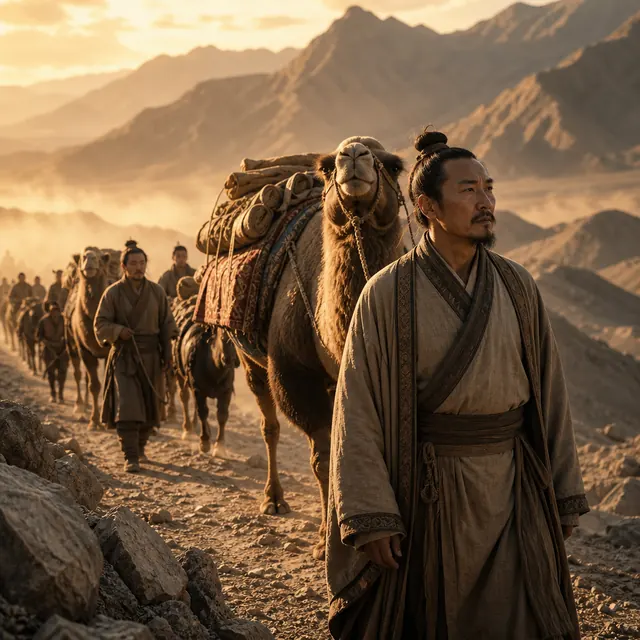
Mission of Zhang Qian and Opening of the Silk Road
Emperor Wu dispatches Zhang Qian west, forging the global Silk Road commercial network.
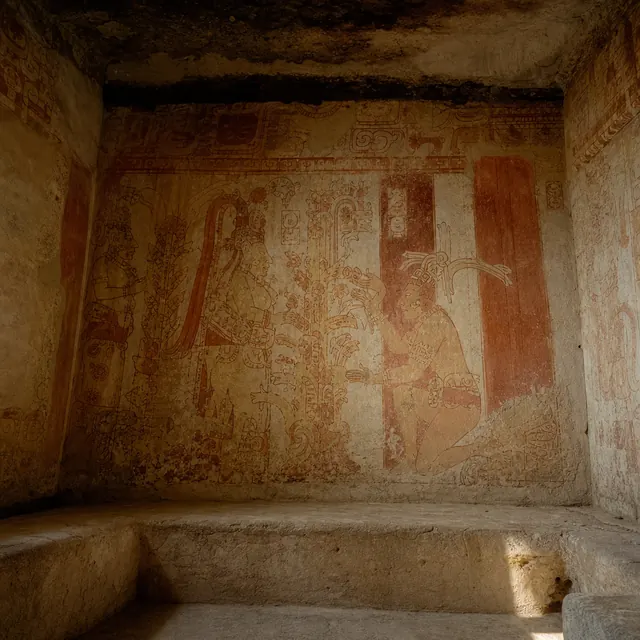
San Bartolo Wall Murals
Discovery of the oldest wall murals revealing the mythology of sacred Maize and Maya kingship.
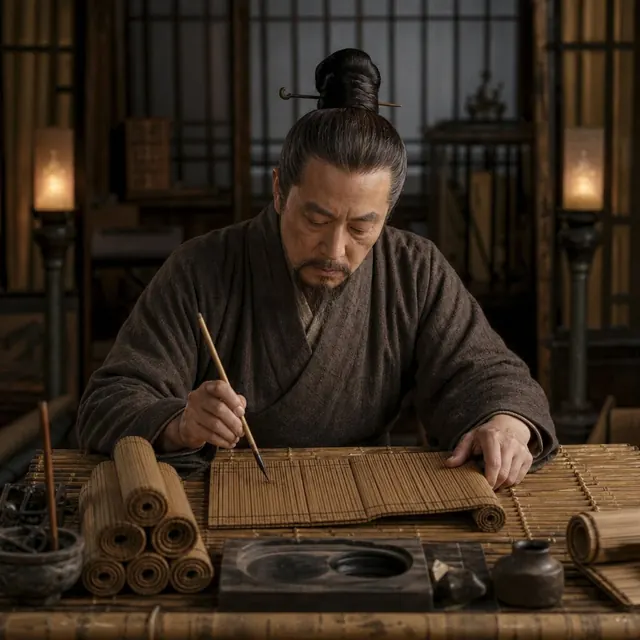
Sima Qian Completes the *Shiji* (Records of the Grand Historian)
Establishment of China's classical historical writing tradition covering 2,500 years.
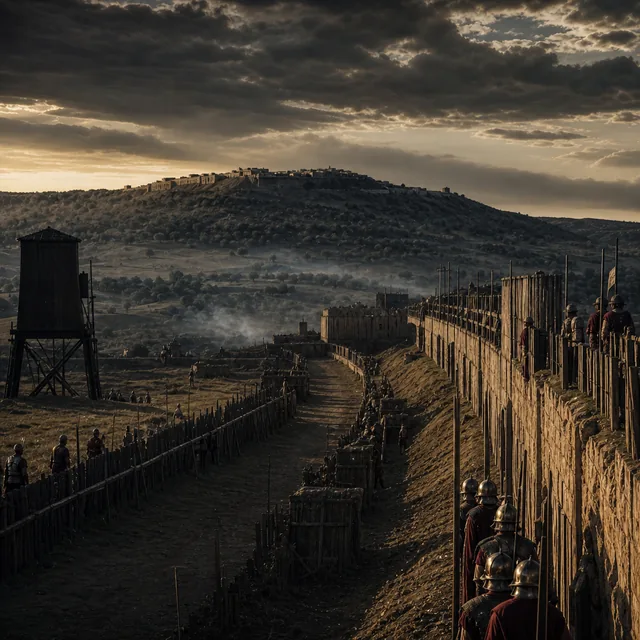
Battle of Alesia
Siege of 52 BCE: Caesar defeats Vercingetorix and completes the conquest of Gaul.
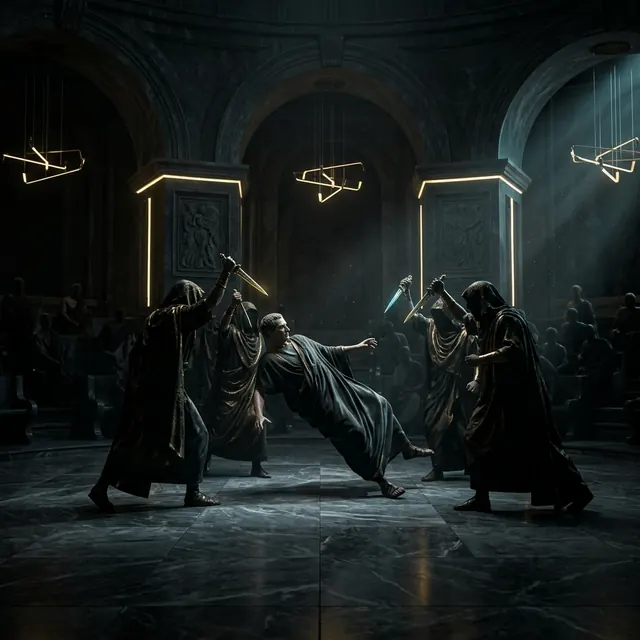
Assassination of Julius Caesar
The Ides of March. Assassinated by Roman senators led by Brutus.
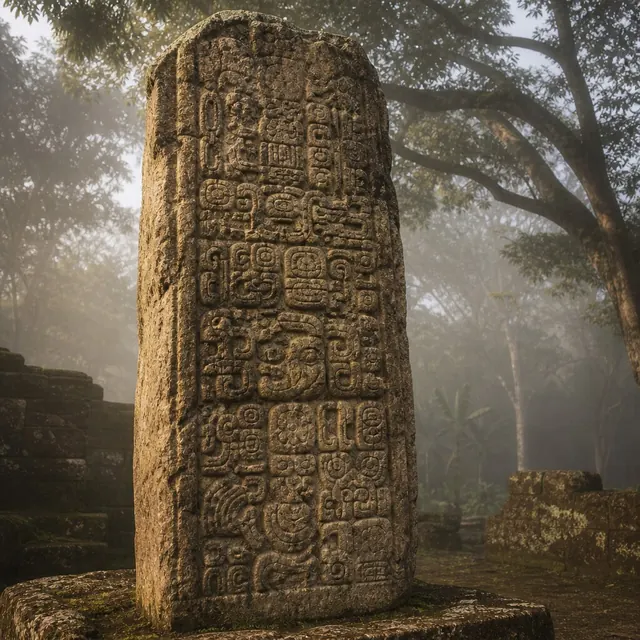
First Long Count Dated Stela (Chiapa de Corzo)
Oldest recorded Long Count date preserved in the Mesoamerican region (7.16.3.2.13).
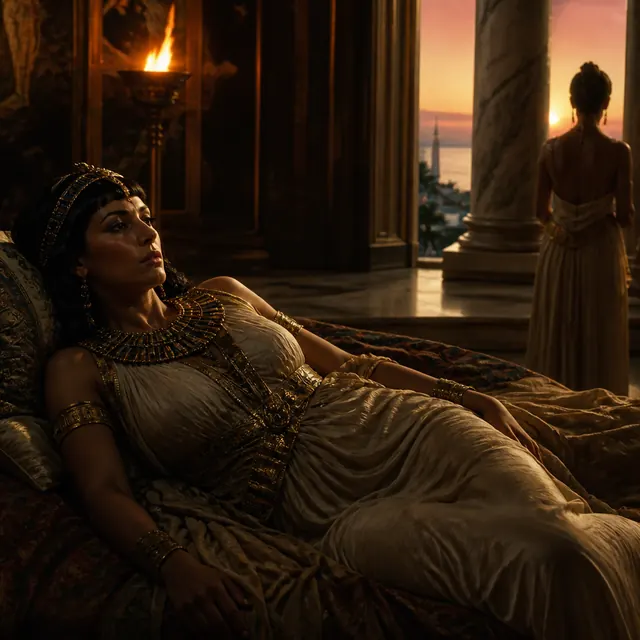
Death of Cleopatra VII and End of Autonomous Pharaonic Egypt
The suicide of Cleopatra VII and Mark Antony after Actium marks the Roman annexation of Egypt by Octavian.
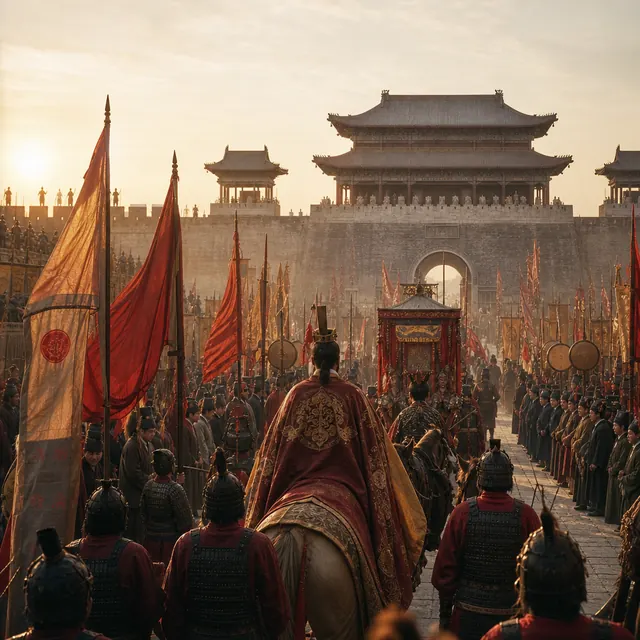
Restoration of the Eastern Han Dynasty by Emperor Guangwu
Collapse of usurper Wang Mang; Liu Xiu restores the Han Dynasty at Luoyang.
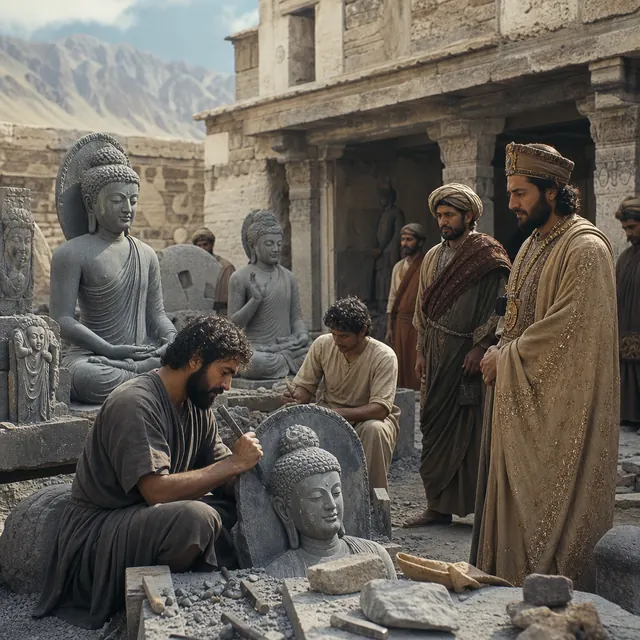
Peak of the Kushan Empire under Kanishka and Gandhara Art
Emperor Kanishka convenes the 4th Council and patronizes Greco-Buddhist stone sculpture.
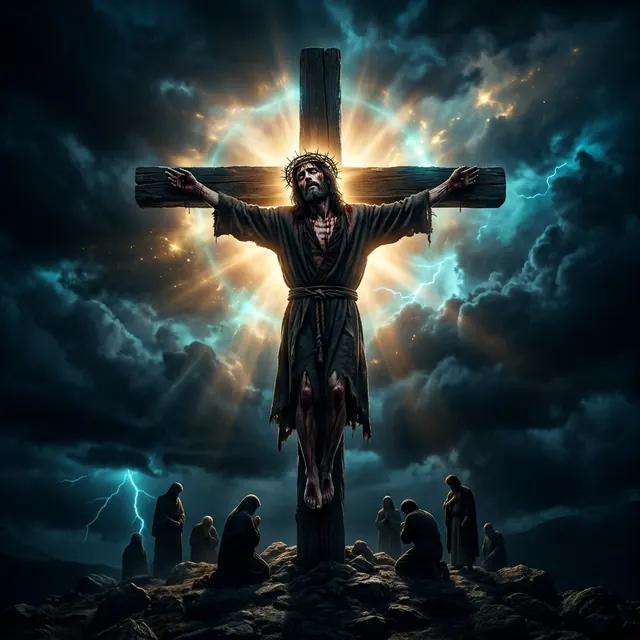
Crucifixion of Jesus of Nazareth
Central event of Christianity under Pontius Pilate.
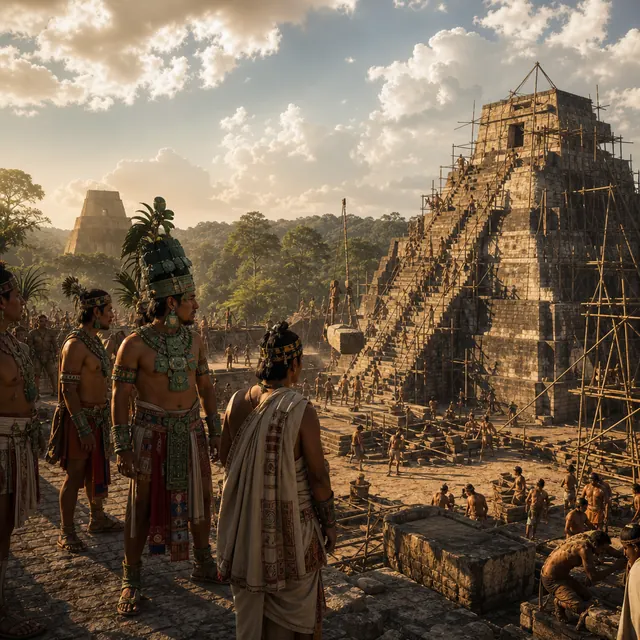
Foundation of the Tikal Dynasty
Yax Ehb' Xook founds the royal lineage of Mutal (Tikal), which ruled for over seven centuries.
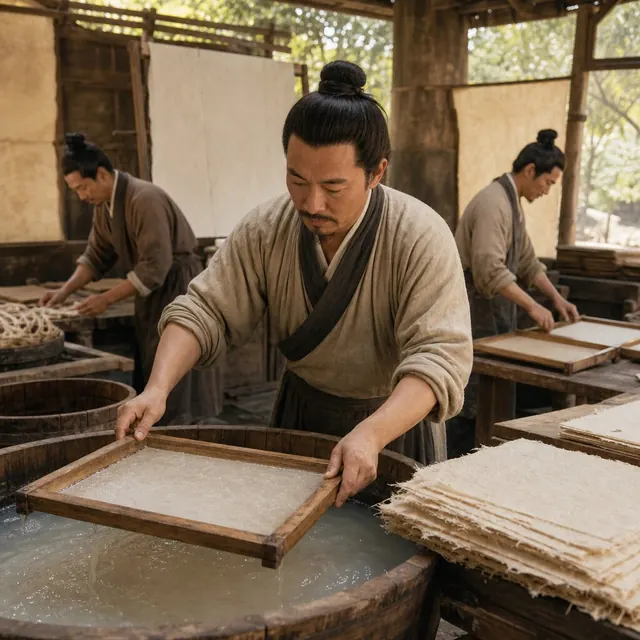
Official Invention of Paper-Making Process by Cai Lun
Cai Lun demonstrates to Emperor He an affordable paper-making process using bark and hemp rags.
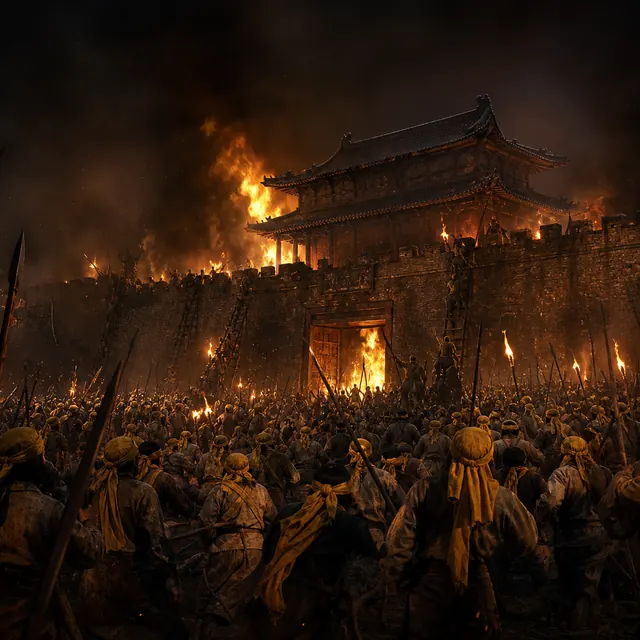
Yellow Turban Rebellion and Fall of the Han Dynasty
Massive Daoist peasant revolt forcing the Han court to grant military powers to warlords.
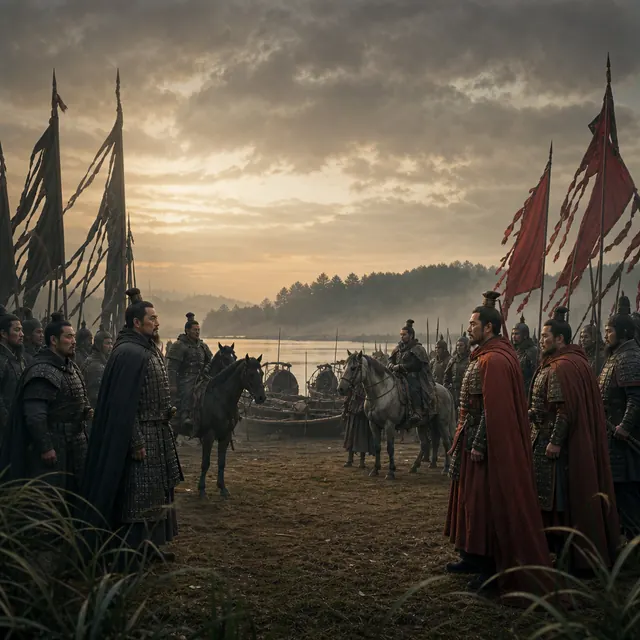
Abdication of Last Han Emperor and Three Kingdoms Era
Tripartite division of China between Wei, Shu-Han, and Wu kingdoms.
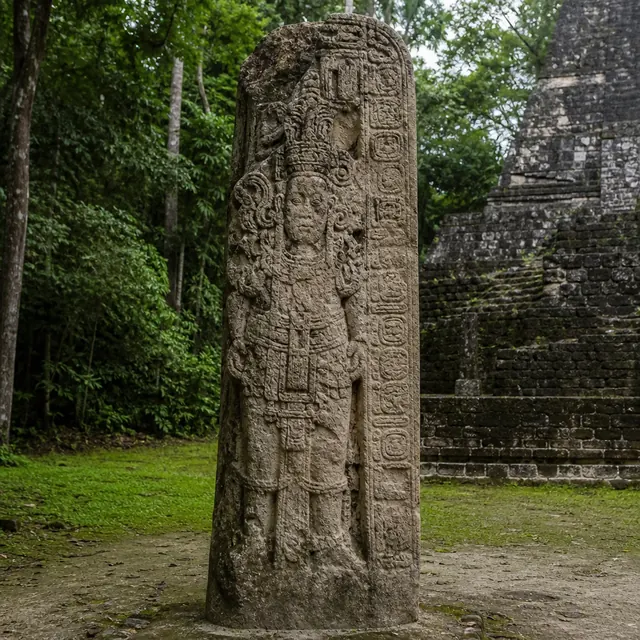
Tikal Stela 29 (Start of Classic Maya Period)
First monument bearing the Tikal emblem glyph and lowland Long Count date.
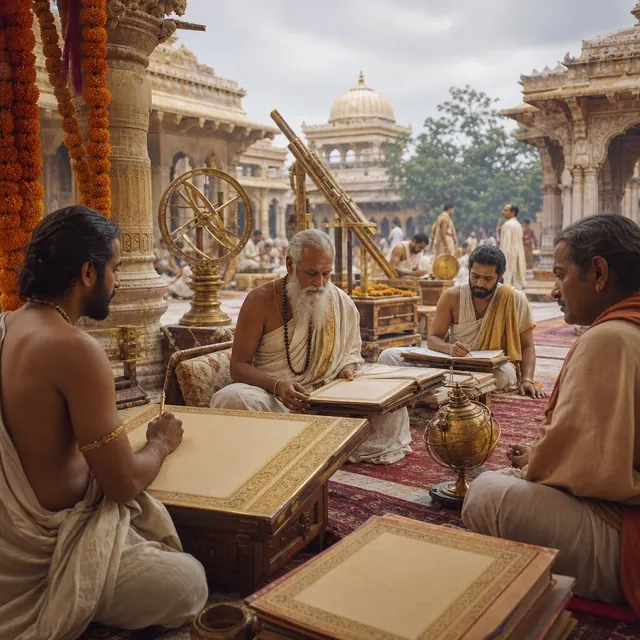
Founding of the Gupta Empire and Indian Golden Age of Arts and Sciences
Chandragupta I establishes the Gupta Golden Age, featuring decimal zero, Nalanda, and classical literature.
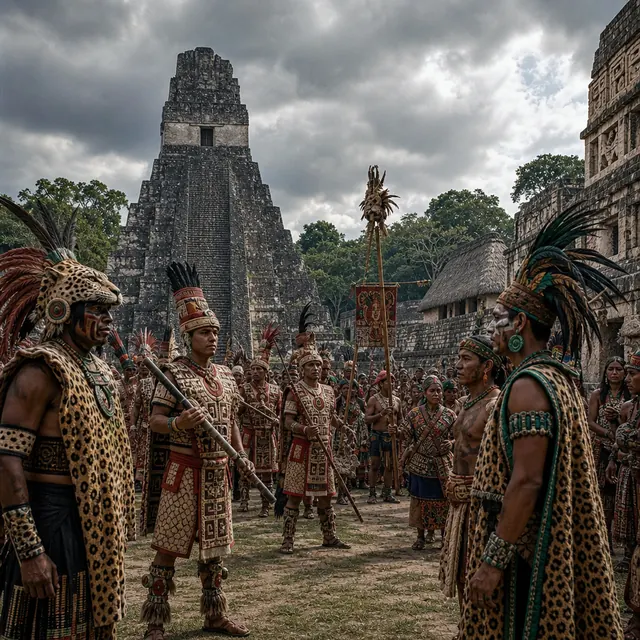
The Arrival of Strangers at Tikal (Siyaj K'ak')
General Siyaj K'ak' from Teotihuacan overthrows the Tikal dynasty and installs Yax Nuun Ahiin I.
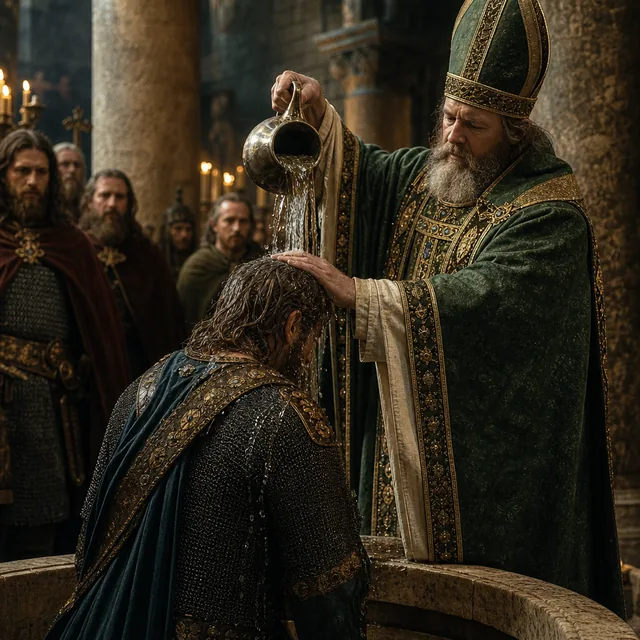
Baptism of Clovis
Catholic baptism at Reims: alliance of the Franks and the Church, matrix of French kingship.
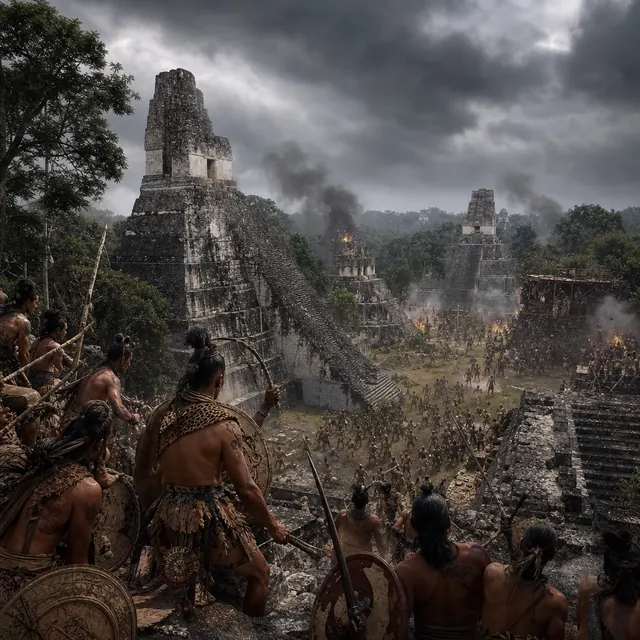
Star War: Fall of Tikal to Calakmul
Calakmul (Snake Kingdom) and Caracol crush Tikal, inaugurating the great Tikal dynastic hiatus.
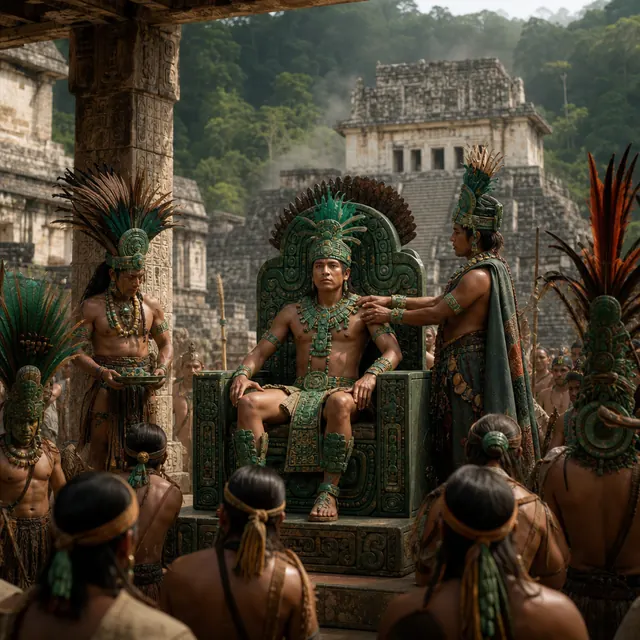
Enthronement of K'inich Janaab' Pakal I at Palenque
Enthronement of Palenque's greatest king, builder of the Temple of the Inscriptions and his monumental sarcophagus.
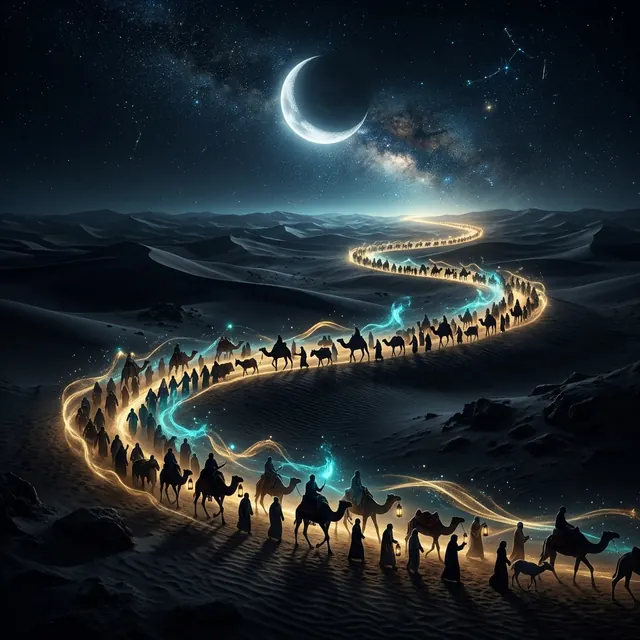
The Hegira
Migration of Muhammad from Mecca to Yathrib (Medina).
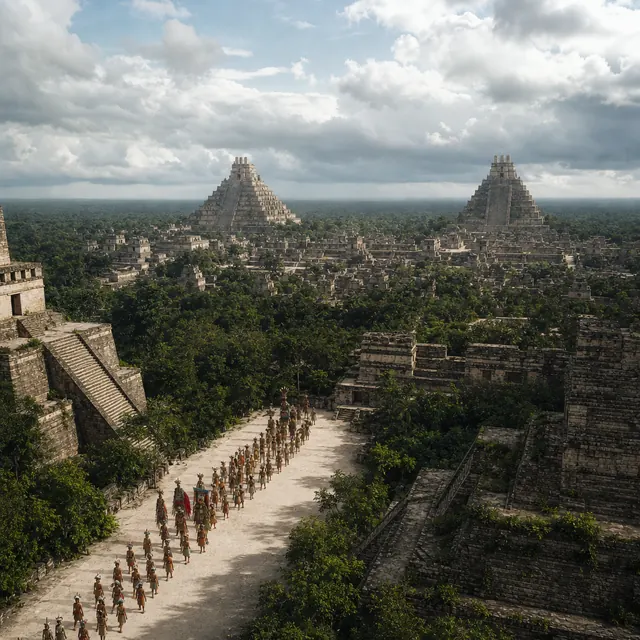
Accession of Yuknoom Ch'een II (Yuknoom the Great)
Yuknoom the Great transforms Calakmul into the most powerful Maya superpower, dominating the lowlands.
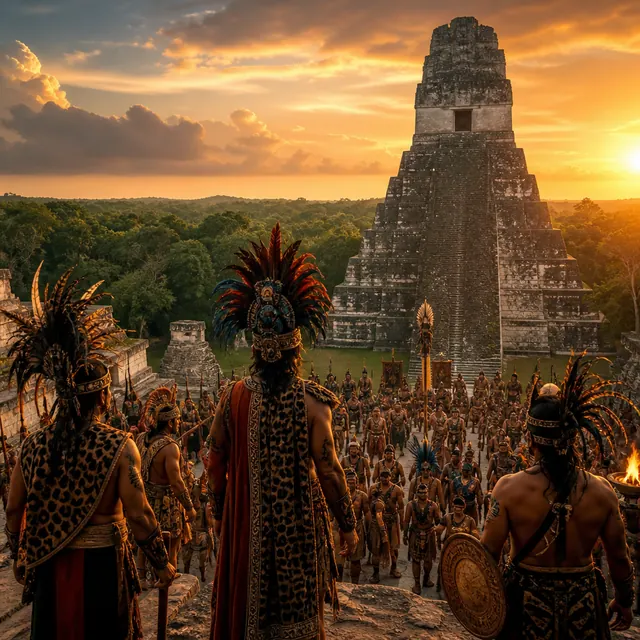
Jasaw Chan K'awiil I's Victory over Calakmul
Tikal defeats King Yuknoom Yich'aak K'ahk' of Calakmul, ending Tikal's decline and erecting Temple I (Great Jaguar).
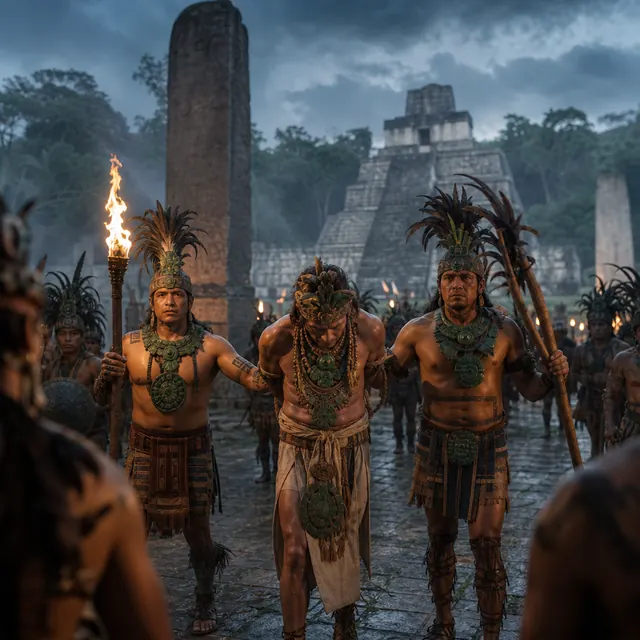
Capture and Execution of King 18-Rabbit of Copan
King K'ak' Tiliw Chan Yopaat of Quirigua captures and beheads his overlord Uaxaclajuun Ub'aah K'awiil (18-Rabbit) of Copan.
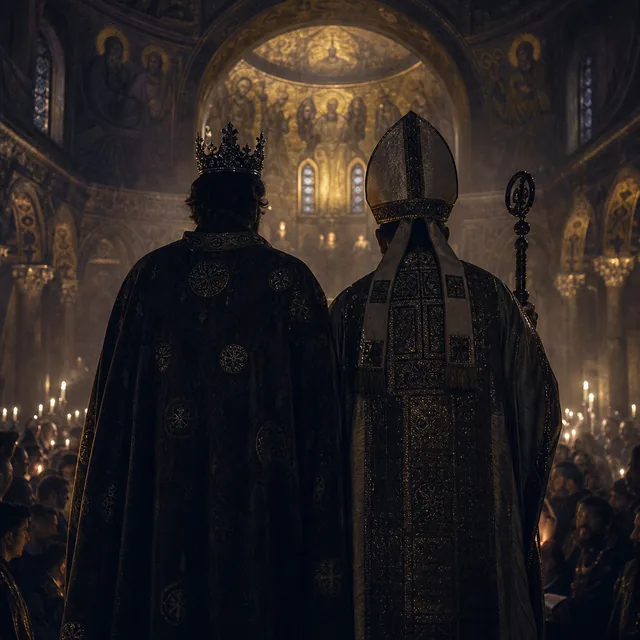
Coronation of Charlemagne
Christmas 800 in Rome: Charlemagne crowned Emperor of the West.
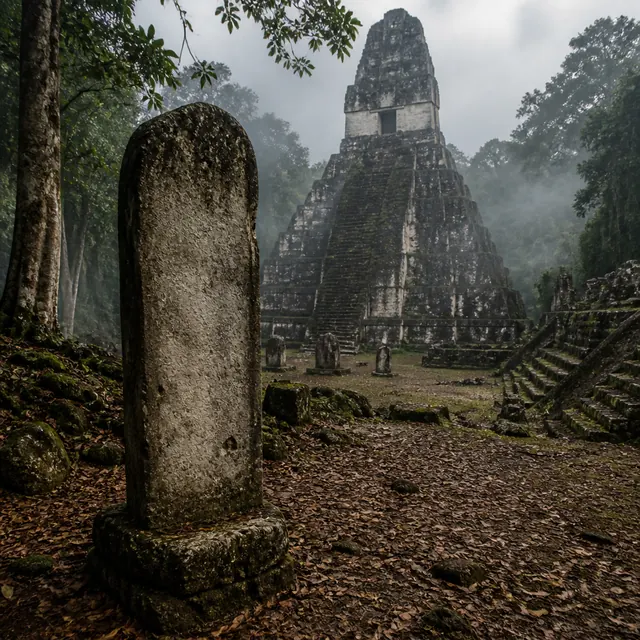
Final Tikal Stela and the Classic Collapse
Tikal Stela 11: the last inscribed date marks the massive decline and abandonment of southern lowland cities.
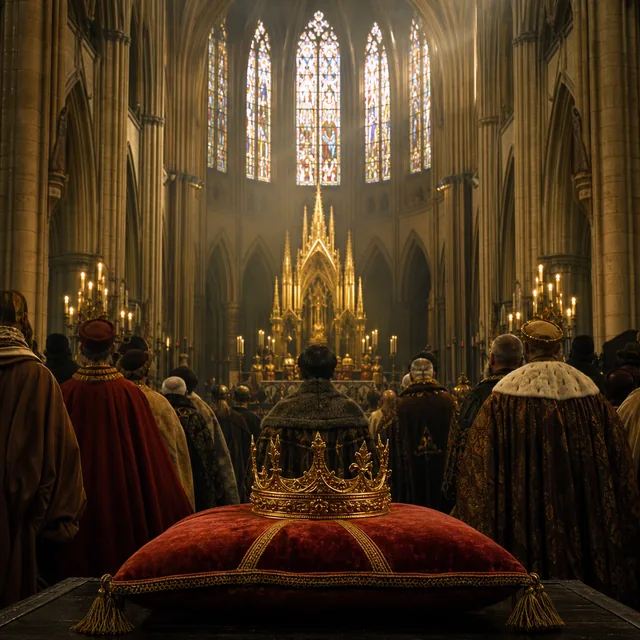
Hugh Capet becomes King of France
Election of 987: start of the Capetian dynasty and the kings of France list.
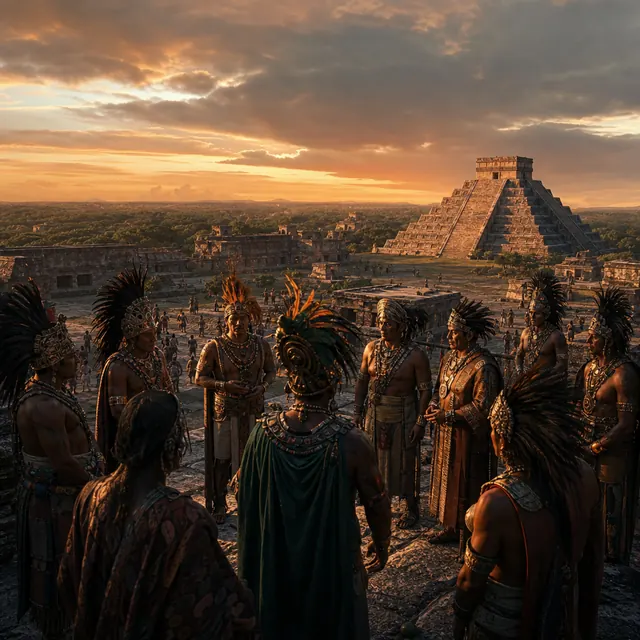
Rise of Chichen Itza and the League of Mayapan
Political alliance between Chichen Itza, Uxmal, and Mayapan, inaugurating the Postclassic era in Yucatan.
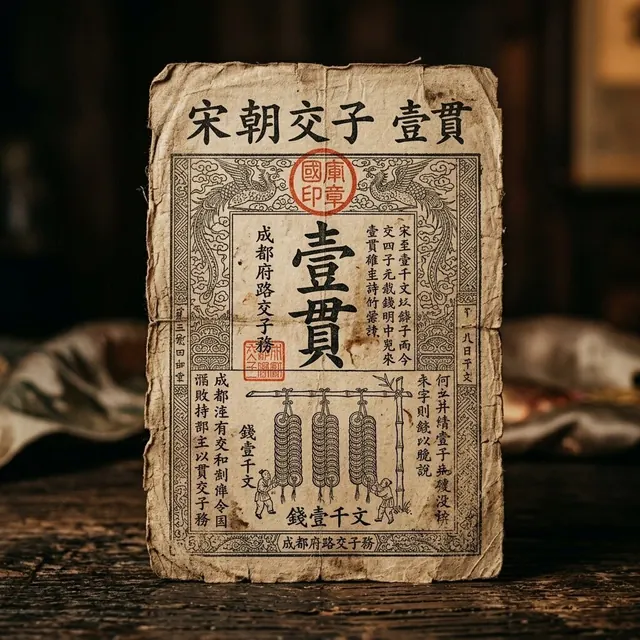
First Official Paper Money (Jiaozi)
Imperial emission of Jiaozi in Sichuan under the Song dynasty in China.
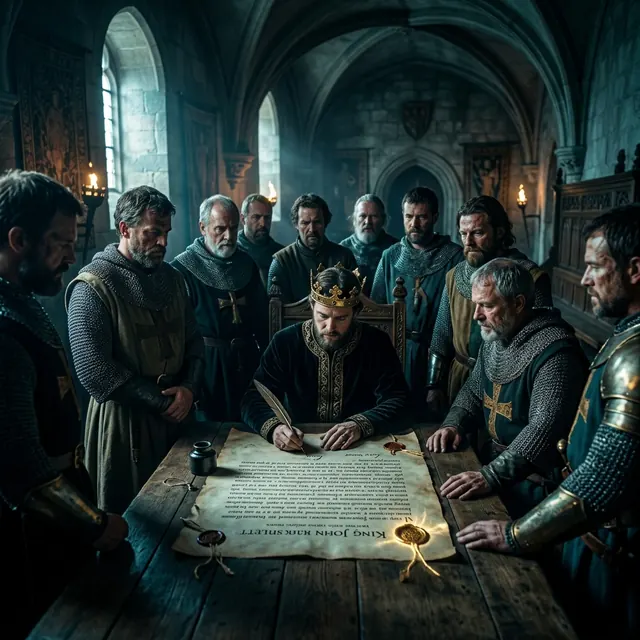
Signing of the Magna Carta
Limitation of English royal power by the barons.
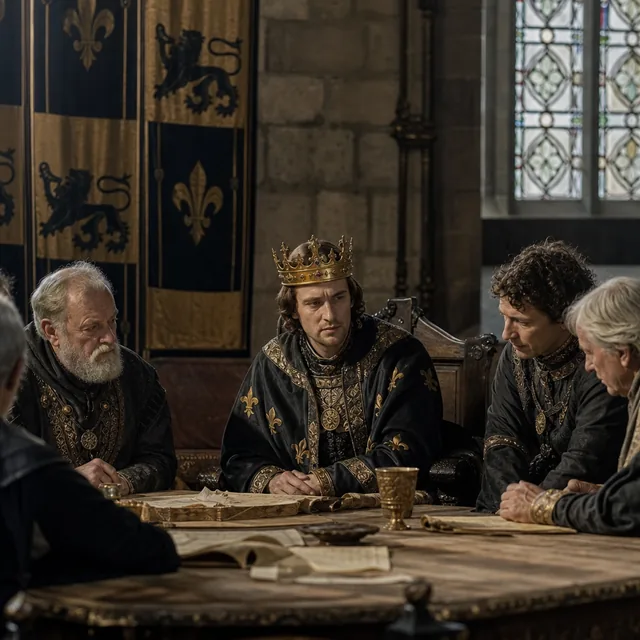
Reign of Saint Louis
Louis IX (1226–1270): just king, crusades and canonization, model of Christian monarchy.

The Black Death
Bubonic plague pandemic that decimated Eurasia.
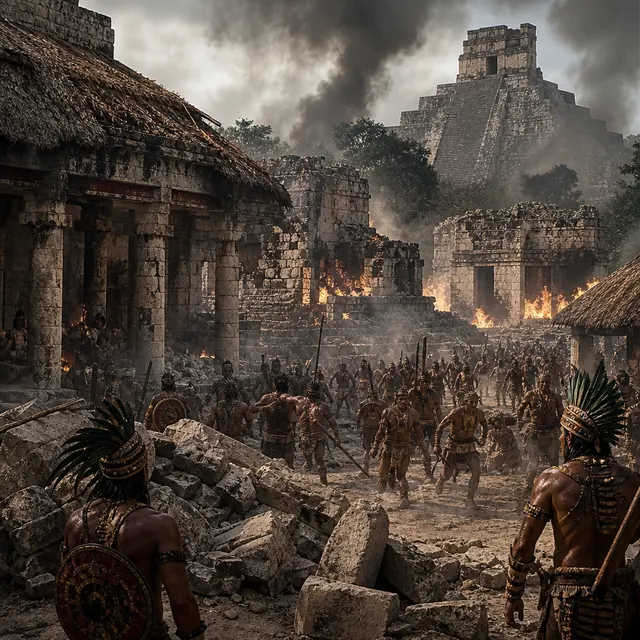
Xiu Revolt and Fall of Mayapan
Insurrection led by Ah Xupan Xiu destroys Mayapan capital and fragments Yucatan into 16 independent provinces.
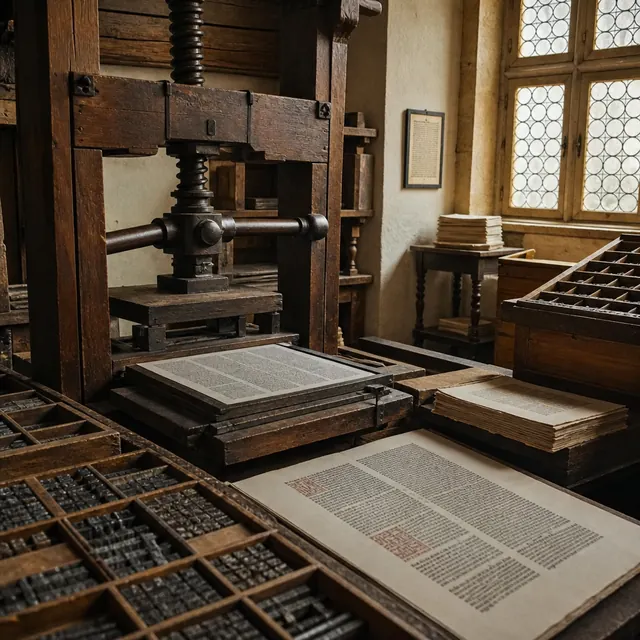
Invention of the Printing Press
Gutenberg prints the first Bible with movable type.

The 95 Theses of Martin Luther
Beginning of the Protestant Reformation.

The Copernican Revolution
Publication of the heliocentric model by Nicolaus Copernicus.
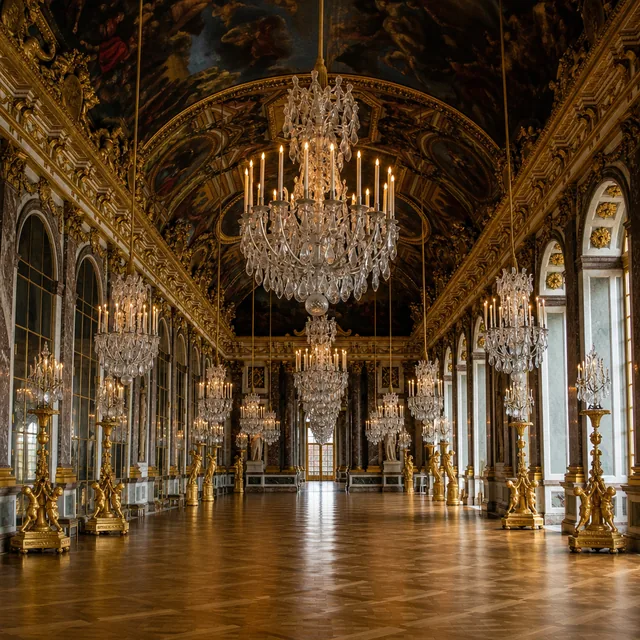
Louis XIV, the Sun King
Absolutism, Versailles and the apogee of Ancien Régime monarchy (1643–1715).

Principia Mathematica
Isaac Newton formulates the laws of motion and universal gravitation.
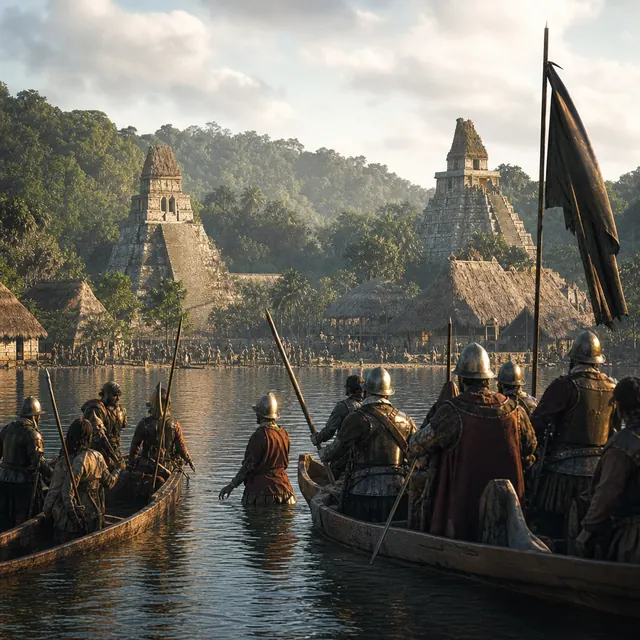
Fall of Nojpeten (End of the Last Independent Maya Kingdom)
Governor Martín de Ursúa captures the Itza Maya capital on Lake Peten Itza, ending Maya independence.

United States Declaration of Independence
Separation of the 13 American colonies from Great Britain.
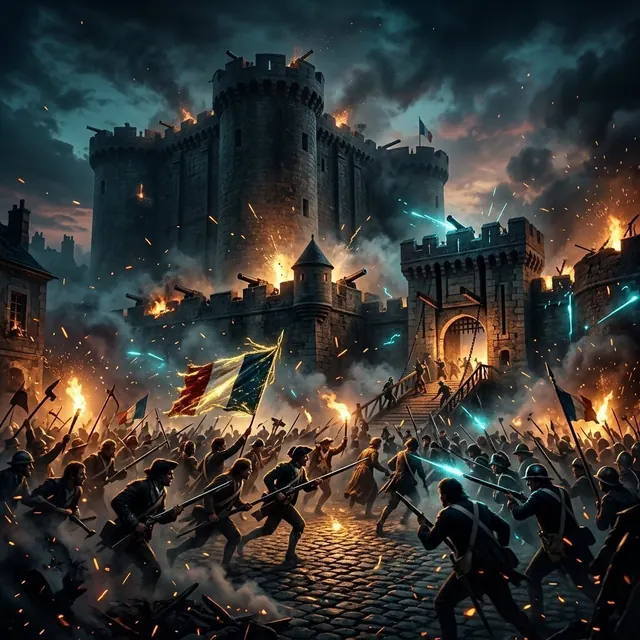
Storming of the Bastille
Symbolic starting point of the French Revolution.
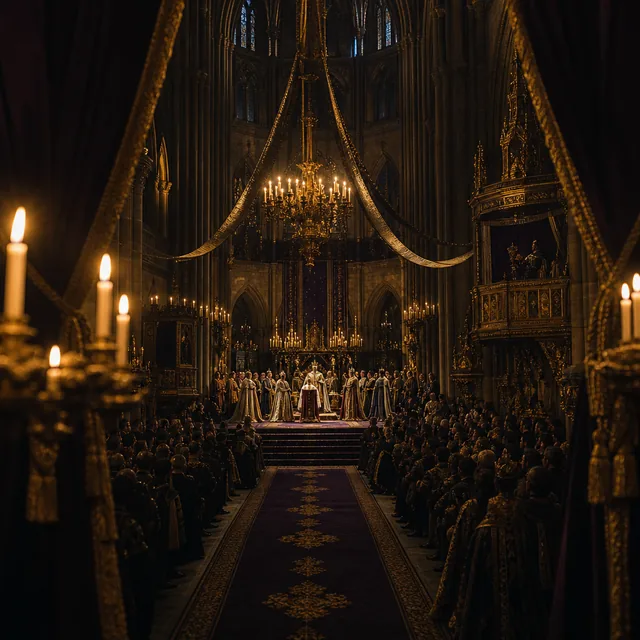
Coronation of Napoleon I
2 December 1804: Napoleon becomes Emperor of the French at Notre-Dame.
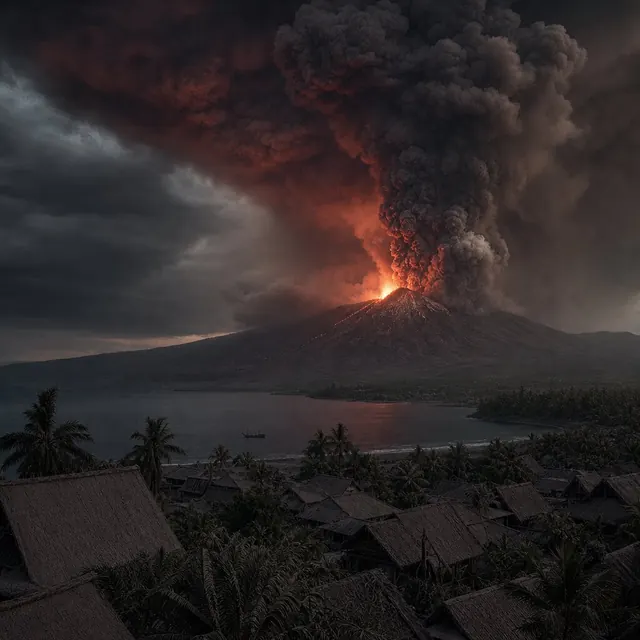
Tambora Eruption
Largest recorded volcanic eruption, causing the 'Year Without a Summer'.

Theory of Evolution
Charles Darwin publishes 'On the Origin of Species'.

General Relativity
Albert Einstein publishes his general theory of relativity.

Discovery of Penicillin
Alexander Fleming discovers the first antibiotic.
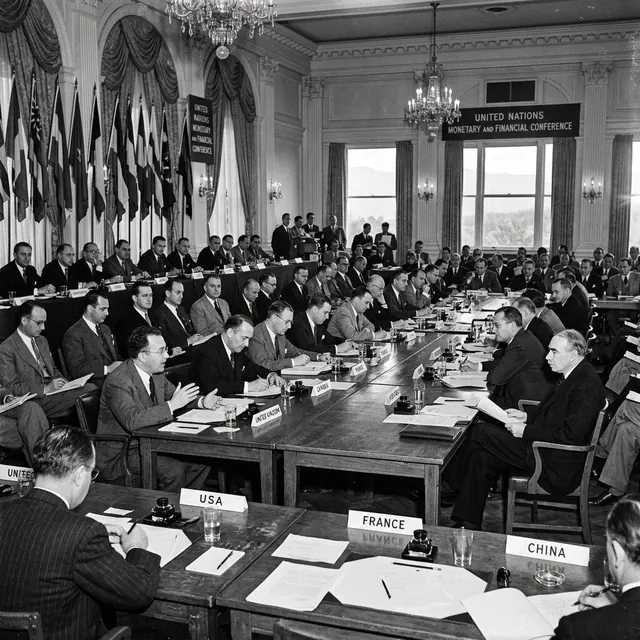
Bretton Woods Agreement
Creation of the IMF and World Bank, pegging global currencies to the gold-backed dollar.

Discovery of DNA
Discovery of the DNA double helix structure.
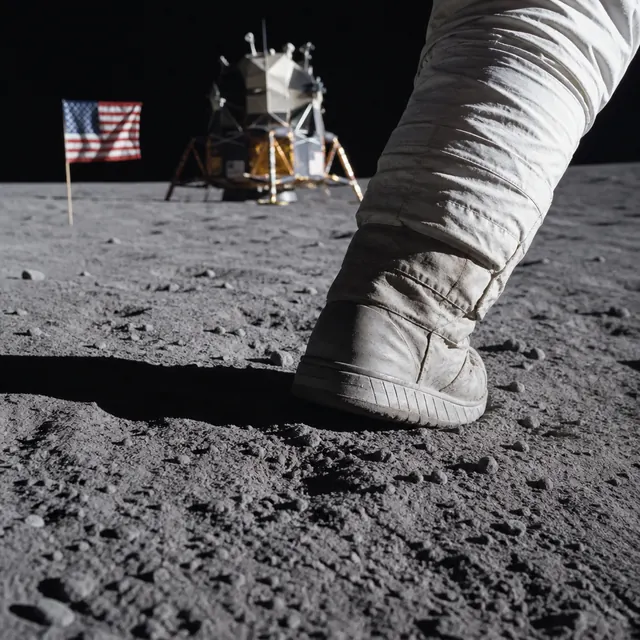
First steps on the Moon
Neil Armstrong steps on the Moon (Apollo 11).

The Nixon Shock
Unilateral suspension of dollar convertibility to gold, ending the Bretton Woods system.

Creation of the World Wide Web
Tim Berners-Lee proposes the information management system (WWW).